Beyond the Words: A Practical Guide to Analyzing Press Conference Body Language
Welcome to HotHootNews, where you can find the latest information, the fastest and hottest news source without delay and without censorship. Through https://hothootnews.blogspot.com/, we are here to uncover the dark history behind various scandals and thoroughly explore current controversial issues. We present raw facts and historical context directly, without further ado. If an event is going viral, breaking news, or about to make history, you'll read about it here, right now. Click, read, and prepare to be shocked by the unfiltered truth! Happy reading, you'll definitely enjoy it.
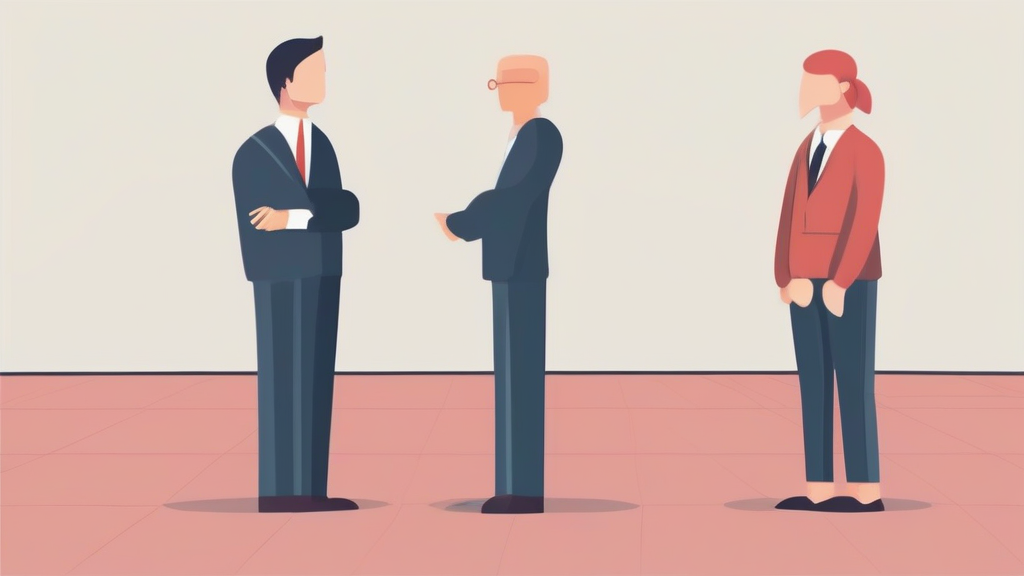
If you have ever wondered what a politician or CEO is truly thinking, learning how to read body language during press conferences is your most effective tool. Words are easily scripted, but the human body is a leaky vessel for the truth.
I have spent years observing high-stakes events, from corporate crisis management to global political summits. What I found is that the message delivered by the mouth often contradicts the story told by the shoulders, eyes, and hands. Let’s break down how you can spot these subtle signals yourself.
Key Takeaways
- Focus on clusters of signals rather than isolated movements to avoid misinterpretation.
- Look for "leakage"—involuntary physical actions that occur when a speaker is under stress or being deceptive.
- Baseline behavior is your starting point; always compare current actions to how the person acts when they are relaxed.
The Foundation: Establishing a Baseline
Before you can identify a lie or a moment of genuine nervousness, you need to know what "normal" looks like for that specific individual. Every person has a unique set of body language habits, which we call a baseline.
How to Observe Without Bias
Watch the speaker during the first few minutes of the event when they are likely comfortable or giving a prepared opening statement. Are they naturally fidgety? Do they blink rapidly when they are bored? Do they have a habit of touching their face?
Once you have this baseline, you can identify deviations. A sudden change in their typical behavior—like a person who usually talks with their hands suddenly going rigid—is a major red flag that something has changed internally.
Decoding the Three C’s of Body Language
Professional observers often rely on the three C’s to categorize non-verbal data. These pillars help you maintain focus during fast-paced press events.
- Context: Is the person in a high-pressure environment? A nervous sweat might be due to a tough question, or it might just be a hot room.
- Clusters: Never judge a single gesture. If someone touches their nose, it doesn't mean they are lying. If they touch their nose, look away, and cross their arms simultaneously, you have a cluster of defensive signals.
- Consistency: Do their words match their physical state? If someone says they are "delighted to be here" while their jaw is clenched and their shoulders are hunched, the inconsistency is your answer.
Analyzing Hand Gestures and Stage Presence
Hands are the most expressive part of our anatomy. When we are passionate, our hands move in sync with our speech. When we are trying to control a narrative, our hands often reveal the struggle.
Using Gestures as a Storytelling Tool
Watch for speakers who use "illustrators"—gestures that emphasize the point they are making. These speakers are usually confident and believe in what they are saying. On the flip side, watch for "pacifiers." These are self-soothing behaviors, like rubbing their own arms, wringing their hands, or picking at their clothing.
When you see a speaker suddenly transition from expansive hand gestures to hiding their hands under a podium or in their pockets, they are likely feeling defensive or trying to withdraw from the interaction. Open body language, where the chest is exposed and arms are uncrossed, generally indicates a person who is secure in their position.
The Eyes: More Than Just Windows
We are taught that eye contact equals honesty, but that is a dangerous oversimplification. Skilled communicators often hold intense eye contact precisely to convince you they are being truthful.
Micro-Expressions and Blink Rates
Instead of just looking for eye contact, look at the blink rate. When people are under significant stress, their blink rate often increases dramatically. It is a physiological response to the cognitive load of trying to keep a story straight.
Also, pay attention to micro-expressions. These are fleeting facial flickers that last a fraction of a second. A brief flash of fear or anger before a neutral mask is applied is a classic sign of suppressed emotion.
How to Read Body Language During Press Conferences: Advanced Tactics
If you want to master this skill, you must look at the entire body. Often, the lower half of the body tells a different story than the upper half. We are socialized to control our faces and hands, but we rarely think about our feet.
The Feet Don't Lie
The "limbic system" is the part of our brain that handles survival, and it controls our feet. When a speaker is ready to leave a conversation, their feet will often point toward the nearest exit, even if their torso is still facing the audience.
If you notice a speaker’s feet shifting or bouncing during a question, they are likely experiencing an "escape response." They want to be anywhere else but there. This is a powerful indicator of discomfort that most people completely overlook.
Common Pitfalls in Body Language Analysis
It is easy to fall into the trap of confirmation bias. If you dislike a speaker, you will naturally look for signs that they are lying or nervous. You must fight this urge.
Keep your analysis objective. Just because someone is uncomfortable does not mean they are guilty. They might be nervous because they are new to the job, or because they are afraid of saying the wrong thing. Emotional state is not the same as moral intent.
Frequently Asked Questions (FAQ)
Can I tell if someone is lying just by their body language?
No single gesture proves a lie. You can only identify stress or inconsistency. If a person's baseline is calm and they suddenly display a cluster of defensive behaviors during a specific question, you have identified a stress trigger, not necessarily a falsehood.
What is the most reliable indicator of confidence?
The most reliable indicator is "congruence." This is when a person's words, tone of voice, and body movements all align. If they are talking about a serious topic while their posture is upright, their gestures are open, and their movements are fluid, they are likely speaking with genuine confidence.
Why do people cross their arms during interviews?
While often labeled as "defensive," crossing arms can also be a way for a person to regulate their own temperature or simply find a comfortable position. Always check if this is their normal baseline before assuming they are closing themselves off from the audience.
Learning to observe these non-verbal cues takes practice. Start by watching press conferences with the sound off. You will be surprised at how much information you gather when you aren't distracted by the polished rhetoric. Keep practicing, stay objective, and you will soon see the truth behind the headlines.
If you like my website articles, please leave a comment below and don't forget to follow my website.
Post a Comment for "Beyond the Words: A Practical Guide to Analyzing Press Conference Body Language"