Cultural Nuances: Why Context Matters When Interpreting Body Language
Welcome to HotHootNews, where you can find the latest information, the fastest and hottest news source without delay and without censorship. Through https://hothootnews.blogspot.com/, we are here to uncover the dark history behind various scandals and thoroughly explore current controversial issues. We present raw facts and historical context directly, without further ado. If an event is going viral, breaking news, or about to make history, you'll read about it here, right now. Click, read, and prepare to be shocked by the unfiltered truth! Happy reading, you'll definitely enjoy it.
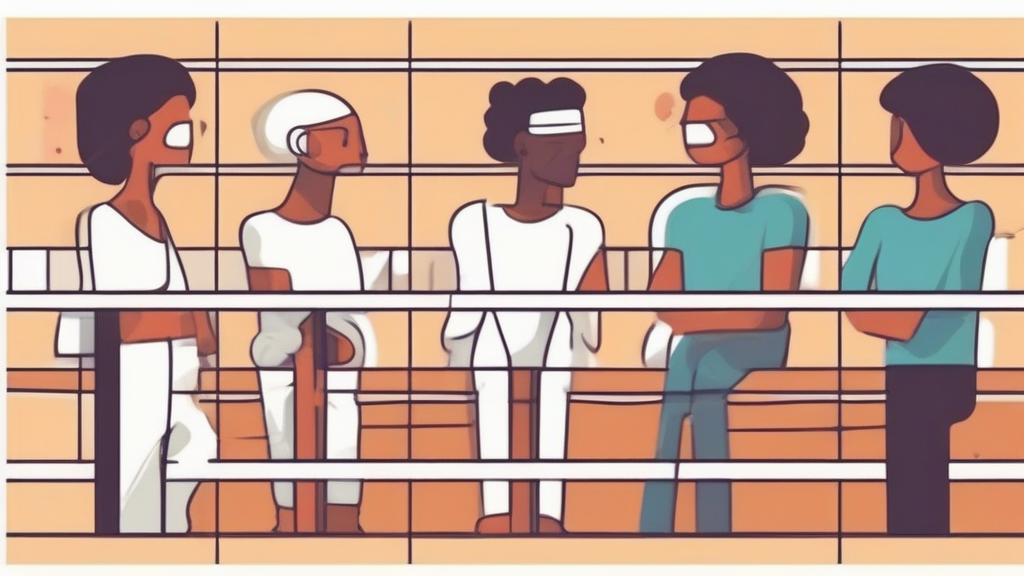
Understanding cultural differences in body language and deception requires more than just reading a manual on nonverbal cues. We often assume that a smile is universal or that avoiding eye contact is a dead giveaway for lying, but that is a dangerous shortcut. As someone who has spent years working with international teams, I have learned that the silent signals we send are deeply rooted in our upbringing and social environment.
- Body language is not a universal language; it is a collection of dialects shaped by local traditions and social norms.
- Attempting to map Western-centric "lie detection" models onto other cultures often leads to false accusations and broken trust.
- High-context cultures prioritize the relationship and the setting over the literal interpretation of a gesture or facial expression.
The Myth of Universal Nonverbal Cues
Pop psychology often pushes the idea that humans share a "truth-telling" code. You might have heard that if someone looks to the left, they are lying, or that crossed arms automatically signal defensiveness. While these heuristics make for catchy headlines, they fall apart the moment you step onto a plane.
Human behavior is heavily influenced by nonverbal communication standards that vary wildly from Tokyo to Toronto. In some societies, keeping a "poker face" is a sign of maturity and emotional regulation. In others, it might be interpreted as coldness or a lack of engagement.
When we talk about deception, we are essentially talking about a deviation from a baseline. If you do not understand what "normal" looks like for a person from a specific culture, you cannot possibly identify when they are being dishonest. Trying to spot a lie without local context is like trying to read a book in a language you don't speak—you might recognize the letters, but you will almost certainly miss the meaning.
Why Context Shapes Interpretation
Consider the act of nodding. In most parts of the world, a vertical head movement means "yes." However, in parts of Bulgaria or Greece, a single nod can actually signify "no." If you are negotiating a contract and you misinterpret a nod, you might walk away thinking you have a deal when you have actually been rejected.
This is where the danger of over-analyzing comes in. If you are hyper-focused on looking for signs of dishonesty, you will naturally project your own cultural biases onto the other person. You might perceive their lack of eye contact as "shifty" when, in their culture, lowering one's gaze is a sign of respect toward an authority figure.
Cultural Differences in Body Language and Deception
The core issue with most deception research is its reliance on Western subjects. We have been taught to look for fidgeting, stuttering, or increased blinking. Yet, in many cultures, high-stress situations—like an interrogation or a high-stakes business meeting—require the individual to remain perfectly still.
If you are looking for "nervous energy" as a sign of a lie, you will miss the person who is trained to be stoic. Conversely, you might flag an innocent person as a liar simply because they come from a culture where expressive, high-energy gesturing is the norm.
Key Takeaway: Deception is a cognitive task. Because different cultures place different values on social harmony, face-saving, and directness, the cognitive load of lying manifests in completely different ways across the globe.
There is no "Pinocchio effect." No single gesture proves someone is lying. Instead, we see cognitive load manifest through various channels depending on what the individual has been taught to hide or show. In some societies, maintaining eye contact while lying is considered a necessary skill for social survival, whereas in others, it is seen as an aggressive act.
The Four Types of Deception
To really grasp why this is complicated, we should look at the different ways people deceive. It isn't always a simple "yes or no" lie. Researchers often categorize deception into:
- Falsification: Creating an entirely new story or set of facts.
- Concealment: Simply withholding the truth to lead someone to a false conclusion.
- Equivocation: Using ambiguous language to dodge a direct question.
- Exaggeration: Overstating facts to manipulate the listener’s perception.
Each of these requires different levels of cognitive effort. If you are dealing with someone from a culture that values "indirectness," you will find that equivocation is their preferred method of avoiding conflict. If you mistake their politeness for a lie, you are failing to account for their cultural communication style.
How to Improve Your Cultural Intelligence
If you want to be more effective in your interactions, you have to slow down. Stop trying to "detect" lies and start trying to "connect" with the individual. The most successful negotiators I know don't look for micro-expressions; they look for patterns in how the person behaves when they are relaxed versus when they are under pressure.
Start by establishing a baseline. How does this person act when talking about something trivial, like the weather or their lunch? Once you know their baseline, you can notice if their behavior shifts significantly during a more serious topic. Even then, remember that a shift in behavior could be due to cultural discomfort, language barriers, or simple fatigue, not necessarily dishonesty.
Practical Steps for Better Interactions
You don't need a degree in psychology to be better at this. Just follow these simple rules:
- Check your assumptions: If you feel like someone is lying, ask yourself if your interpretation is based on your own cultural upbringing.
- Ask open-ended questions: Instead of looking for "tells," ask questions that require detailed explanations. It is harder to maintain a lie when you have to provide context.
- Observe the environment: Is this person in a position of power? Are they worried about "saving face"? Sometimes the lie isn't about the facts; it's about protecting their social standing.
Frequently Asked Questions (FAQ)
What are some examples of cultural differences in body language?
Examples include eye contact, which is seen as confidence in the US but potentially disrespectful in parts of Asia, and physical distance, which is much smaller in Latin American cultures compared to Northern Europe.
How does culture influence body language?
Culture acts as a filter. We are socialized from childhood to adopt specific gestures, facial expressions, and levels of physical touch that align with our community's values and social hierarchy.
Can you accurately detect deception using body language alone?
No. Research consistently shows that body language is not a universal indicator of honesty. Relying on "cues" without understanding the individual's baseline and cultural background leads to high error rates.
The next time you find yourself trying to "read" someone from a different background, take a breath. Remind yourself that your internal map of human behavior is just one of many. By embracing the complexity of human interaction rather than looking for easy answers, you will build stronger, more authentic relationships that transcend cultural divides.
If you like my website articles, please leave a comment below and don't forget to follow my website.
Post a Comment for "Cultural Nuances: Why Context Matters When Interpreting Body Language"