The Hidden Anatomy of Data Brokers: How They Buy and Sell Your Identity
Welcome to HotHootNews, where you can find the latest information, the fastest and hottest news source without delay and without censorship. Through https://hothootnews.blogspot.com/, we are here to uncover the dark history behind various scandals and thoroughly explore current controversial issues. We present raw facts and historical context directly, without further ado. If an event is going viral, breaking news, or about to make history, you'll read about it here, right now. Click, read, and prepare to be shocked by the unfiltered truth! Happy reading, you'll definitely enjoy it.
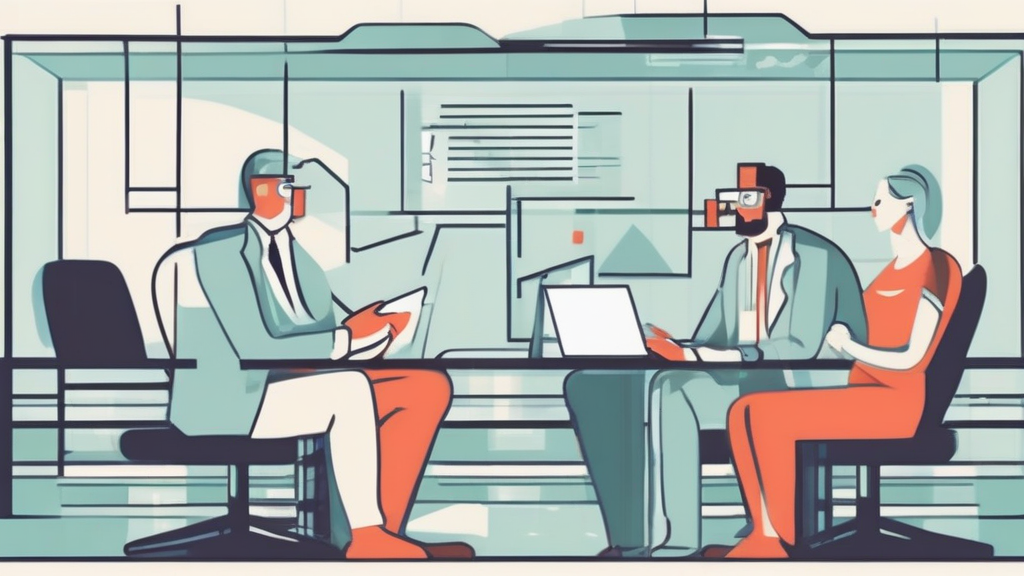
I remember the moment I realized my digital life was being sold to the highest bidder. I had spent ten minutes browsing for a specific brand of ergonomic office chair, and within an hour, my social media feeds were flooded with advertisements for chairs, desks, and lumbar support pillows. It wasn’t a coincidence; it was a transaction. Many people still ask, Conspiracy or Fact? How Big Companies Control Your Personal Data. It’s a question that keeps me up at night, knowing that my identity is being sliced, diced, and traded like a commodity on a stock exchange I never signed up for.
The Hidden Anatomy: Who Are the Data Brokers?
Data brokers are the invisible architects of our online experience. These companies exist primarily to collect information from public records, social media, online purchase histories, and browser cookies. They then aggregate this data into comprehensive profiles that reveal more about you than you might tell your closest friends.
Think of them as the silent middlemen of the internet. They don’t usually interact with you directly. Instead, they operate in the shadows, feeding information to insurers, marketers, and even government entities. When you look at the sheer scale of data broker activity, it becomes clear that we aren't the customers of these services—we are the product.
How the Harvesting Machine Works
The process is surprisingly mechanical. It starts with simple data points: your IP address, your location history, and the device you use. From there, they map your relationships, your political leanings, and your spending habits. This is where the lines between simple marketing and invasive surveillance blur.
Every time you accept a cookie policy without reading it, you are essentially opening the front door to these entities. They use sophisticated algorithms to predict your next move, your next purchase, and even your next health concern. It feels like a conspiracy or fact? How big companies control your personal data, yet it is documented, regulated, and entirely legal in most jurisdictions.
The Anatomy of Your Digital Identity
Your digital identity isn't just a name and an email address. It is a multi-layered construct that includes:
- Demographic Data: Age, gender, ethnicity, and household income.
- Psychographic Data: Interests, personality traits, and values.
- Behavioral Data: Browsing history, time spent on pages, and click-through rates.
- Transactional Data: Purchase history and credit card usage patterns.
When you combine these datasets, the result is a "digital twin." This twin can be sold to advertisers to target you with hyper-specific ads or to banks to determine your creditworthiness. It is a terrifyingly accurate representation of who you are, built without your explicit, informed consent.
The Role of Predictive Analytics
Data brokers don't just store past history; they calculate your future. By analyzing millions of data points, they can predict with startling accuracy whether you are likely to switch jobs, get married, or even become pregnant. This predictive power is what makes the industry so incredibly lucrative.
It’s not just about selling you a new pair of shoes. It’s about influencing your decisions before you even realize you've made them. This level of control over the individual consumer is why the debate regarding whether this is a conspiracy or fact? How big companies control your personal data remains so heated. The reality is that the data isn't just being collected; it is being weaponized to nudge our behavior in directions that favor corporate bottom lines.
Why Your Privacy is a Profitable Commodity
We often hear that "data is the new oil." While the analogy is overused, it’s accurate. Like oil, raw data is messy and unrefined. Data brokers act as the refineries, turning raw, chaotic information into clean, actionable insights that businesses crave.
The market for this information is worth billions of dollars annually. When you consider that companies are willing to pay a premium to know exactly who you are, it’s easy to see why they invest so heavily in tracking technologies. They aren't just looking for trends; they are looking for you, specifically.
The Disconnect Between Users and Platforms
Most of us treat our online presence as a private diary, but the reality is more like a public square monitored by hidden cameras. We share photos, locations, and life updates, forgetting that these platforms have a financial incentive to keep us engaged and, more importantly, trackable.
The disconnect arises because the platforms provide a service—social networking, search capabilities, or shopping—that we find valuable. We trade our privacy for convenience. The problem is that the price of that trade is rarely transparent, and the terms of the deal change whenever the broker decides to update their privacy policy.
Practical Steps to Reclaim Your Digital Sovereignty
I know, it sounds hopeless. You might be thinking, "If they have my data, isn't it already too late?" The good news is that you can still take steps to minimize your exposure. You can't disappear entirely, but you can certainly make yourself a much harder target.
- Use Privacy-Focused Browsers: Switch to browsers that block third-party trackers by default.
- Opt-Out of Data Broker Lists: Many brokers allow you to request the removal of your information, though it is a tedious process.
- Limit App Permissions: Go through your phone settings and revoke access to your location, contacts, and microphone for apps that don't need them.
- Use Encrypted Services: Switch to email and messaging platforms that prioritize end-to-end encryption.
Being diligent requires effort, but it is the only way to claw back some level of autonomy. If you run a business, be transparent with your customers. Don't rely on shady data-gathering tactics; build trust instead. Trust is a currency that, unlike your personal data, you can actually control.
The Future of Digital Privacy
Are we heading toward a future where our identity is entirely managed by algorithms? Or will there be a massive pushback against the data-harvesting model? We are already seeing the beginning of a shift. Privacy regulations like the GDPR in Europe have forced companies to be more transparent, even if they haven't completely stopped the practice.
The question of whether this is a conspiracy or fact? How big companies control your personal data is evolving into a question of policy and ethics. We need to demand more from the legislators who represent us. Digital privacy is not a luxury; it is a fundamental human right in the modern age.
The Responsibility of Business Owners
If you own a business, you have a unique opportunity to lead by example. Stop treating your customers' data as an infinite resource to be mined. Instead, treat it as a responsibility. When you respect the privacy of your users, you build a brand that stands out in a crowded market.
Transparency doesn't just keep you compliant with the law; it keeps you connected to your audience. People are becoming increasingly aware of how their data is handled. By being upfront about what you collect and why, you differentiate yourself from the entities that operate in the shadows.
Final Thoughts on the Digital Landscape
I’ve stopped taking my internet browsing for granted. Every link I click, every form I fill out, and every purchase I make is a conscious decision. It’s impossible to be 100% invisible, but you can certainly stop making it easy for the brokers to map your life. The hidden anatomy of data brokers is complex, but it’s not impenetrable.
We are the ones who feed the beast, and we are the ones who can starve it. Start by auditing your digital footprint today. Clean up your social media, tighten your privacy settings, and be skeptical of any service that asks for more information than it needs to function. Your identity is your most valuable asset—don't let anyone else trade it for a quick profit.
Take control of your digital life before someone else decides how to use it for you. Start by reviewing your privacy settings on your primary devices tonight. It’s a small step, but it’s a step toward reclaiming your personal space in an increasingly crowded and watched world.
If you like my website articles, please leave a comment below and don't forget to follow my website.
Post a Comment for "The Hidden Anatomy of Data Brokers: How They Buy and Sell Your Identity"