The Eyes Don't Lie: Debunking Myths About Eye Contact and Deception
Welcome to HotHootNews, where you can find the latest information, the fastest and hottest news source without delay and without censorship. Through https://hothootnews.blogspot.com/, we are here to uncover the dark history behind various scandals and thoroughly explore current controversial issues. We present raw facts and historical context directly, without further ado. If an event is going viral, breaking news, or about to make history, you'll read about it here, right now. Click, read, and prepare to be shocked by the unfiltered truth! Happy reading, you'll definitely enjoy it.
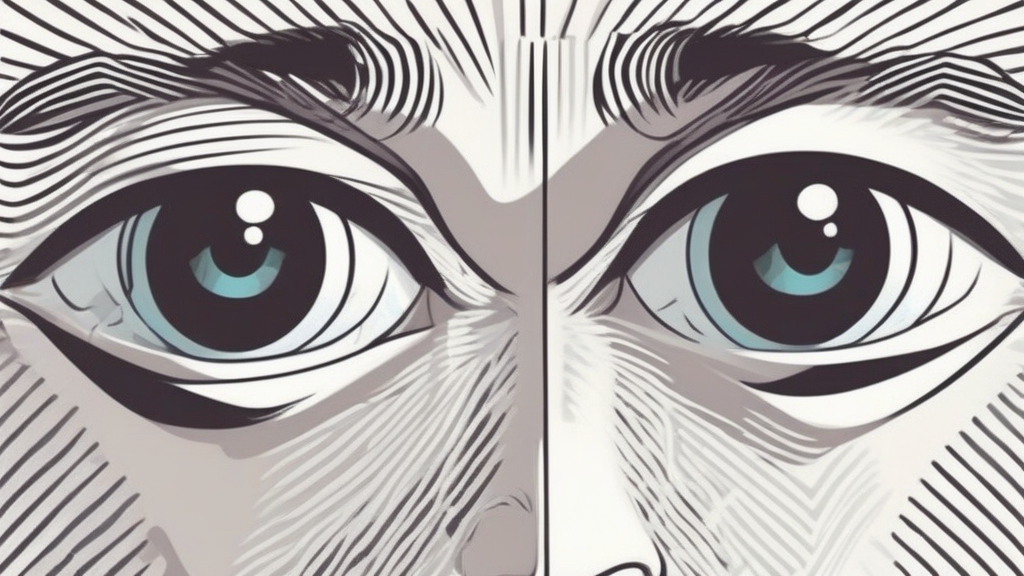
The Myth of the Shifty Gaze
We have all heard the old adage: if you want to catch a liar, just watch their eyes. Many people operate under the assumption that does lack of eye contact mean someone is lying, but the reality is far more nuanced. We are taught from childhood that looking someone in the eye is a sign of honesty and character. Conversely, looking down or away is often perceived as a red flag for dishonesty. This societal bias is deeply ingrained. Whether in a courtroom, a business negotiation, or a simple conversation at the dinner table, we constantly scan for these visual cues. However, relying on this single behavior to judge someone’s integrity is not just inaccurate—it is often counterproductive. Science suggests that human behavior is far too complex to be reduced to a simple binary of "eye contact equals truth."
- There is no scientific evidence that avoiding eye contact is a reliable indicator of deception in all individuals.
- Cognitive load—the mental effort required to recall or construct a story—is a more common reason for looking away than malice.
- Cultural, neurological, and personality factors significantly influence how comfortable people feel with direct eye contact.
Why We Look Away
When we think about deception, we often imagine a nervous person squirming and staring at the floor. In reality, the brain is a busy place. When someone is asked a difficult question, they often look away to manage their cognitive load. Think about the last time you had to solve a complex math problem in your head or recall a specific detail from a vacation five years ago. You likely gazed at a blank wall or the ceiling. This is not because you were hiding something, but because your brain was busy processing information. By reducing visual stimulation, you allow your brain to focus on the task at hand. This phenomenon is tied to cognitive load, which refers to the total amount of mental effort being used in the working memory. When a person is trying to remember a sequence of events, their eyes naturally move to "free up" processing power. If they are forced to maintain intense eye contact while doing this, they may actually perform worse at the task.The Cultural and Neurological Dimension
Not everyone is raised with the same social rules regarding gaze. In many Western cultures, direct eye contact is seen as a sign of confidence and respect. However, in many other parts of the world, prolonged eye contact can be perceived as aggressive or disrespectful. If you are judging someone’s honesty based on their gaze, you might be judging their cultural upbringing rather than their intent. Furthermore, neurodivergent individuals—such as those on the autism spectrum—may find direct eye contact physically uncomfortable or overstimulating. For these individuals, looking away is a way to regulate their sensory experience, not a signal that they are deceiving you. Ignoring these variations leads to significant misunderstandings. We risk labeling honest people as liars simply because their communication style doesn't fit our narrow, culturally biased expectations.Does Lack of Eye Contact Mean Someone is Lying?
The short answer is no. If you are still asking yourself, "does lack of eye contact mean someone is lying," consider the fact that some of the most skilled liars are actually excellent at maintaining eye contact. Professional deceivers often know exactly what the "common wisdom" is. They understand that people expect them to look away if they are guilty, so they compensate by staring intently. This "forced" eye contact can feel unnatural or intense, often described as a "predatory" or "unblinking" gaze. Instead of looking for a single "tell," it is more effective to look for clusters of behavior. Are they fidgeting? Is their voice pitch changing? Is there a discrepancy between their words and their body language? These are much more reliable indicators than the direction of their gaze.Common Indicators of Deception
If you want to understand if someone is being untruthful, you have to look beyond the eyes. Deception is an act that involves a multitude of psychological triggers, not just a shifty look. * Inconsistency in the story: Liars often struggle to maintain the same narrative when asked for details in reverse order or from a different perspective. * Micro-expressions: These are fleeting facial expressions that reveal true emotions, often lasting only a fraction of a second. * Verbal distancing: Using impersonal language or avoiding the use of "I" when describing an event can sometimes signal a psychological desire to distance oneself from a lie. * Over-explaining: Liars often provide too much detail in an attempt to make their story sound more convincing.How to Spot a Liar in 7 Seconds or Less
Many people want a "quick fix" to spot a liar. The truth is, there is no magic formula that works in seven seconds. If you try to judge someone based on a snapshot of their behavior, you will almost certainly be wrong. The best approach is to establish a "baseline." Spend time observing how the person acts when they are talking about mundane, neutral topics. What is their normal rate of speech? How much do they gesture? What is their typical eye contact pattern? Once you have a baseline, you can notice deviations. If someone suddenly stops gesturing or changes their speech pattern when a specific topic arises, that is a data point worth noting. It isn't proof of a lie, but it is a reason to pay closer attention.The Role of Anxiety
We often conflate anxiety with lying. If you are nervous, you might avoid eye contact, stutter, or fidget. If you are being interrogated or feel like you are being judged, you will likely display signs of stress. An innocent person who feels they are being wrongly accused will often show high levels of anxiety. They might look away, sweat, or stumble over their words. If you assume these are signs of guilt, you are committing the "Othello Error," where you mistake the stress of being accused for the stress of lying. Recognizing that anxiety is not synonymous with guilt is a massive step toward better judgment. When you approach a conversation with the assumption that someone might just be nervous, you create a more open environment where the truth is more likely to emerge.Moving Beyond the Myths
We need to stop relying on outdated pop-psychology. The idea that we can read someone like a book just by looking at their eyes is a fantasy. It simplifies the complex, contradictory, and deeply human nature of communication. If you are a business owner, a leader, or just someone trying to navigate personal relationships, focus on active listening. Ask open-ended questions. Pay attention to the logic of what is being said. By shifting your focus from "reading eyes" to "understanding context," you will become much more effective at gauging the truth. The next time you find yourself wondering if someone is being honest, take a breath. Don't look at their eyes—look at the whole picture. Observe their words, their tone, and the context of the conversation. You will likely find that the truth is much more nuanced than a simple glance.Frequently Asked Questions (FAQ)
Is it true that liars always avoid eye contact?
No, this is a pervasive myth. Many habitual liars are aware of the stereotype and will intentionally maintain intense, steady eye contact to appear more credible.What is the most reliable indicator that someone is lying?
There is no single "pinocchio effect." Instead, look for clusters of behaviors, such as inconsistencies in their story, sudden changes in speech patterns, or a lack of congruence between their verbal and non-verbal communication.How do I tell if someone is lying if eye contact is not a reliable cue?
Focus on the content of their story. Ask them to recount events in reverse order or provide specific, verifiable details. Liars often struggle with the cognitive load required to maintain a complex, fabricated narrative under scrutiny.If you like my website articles, please leave a comment below and don't forget to follow my website.
Post a Comment for "The Eyes Don't Lie: Debunking Myths About Eye Contact and Deception"