Micro-Expressions Decoded: Spotting Fleeting Signs of Dishonesty in Politicians
Welcome to HotHootNews, where you can find the latest information, the fastest and hottest news source without delay and without censorship. Through https://hothootnews.blogspot.com/, we are here to uncover the dark history behind various scandals and thoroughly explore current controversial issues. We present raw facts and historical context directly, without further ado. If an event is going viral, breaking news, or about to make history, you'll read about it here, right now. Click, read, and prepare to be shocked by the unfiltered truth! Happy reading, you'll definitely enjoy it.
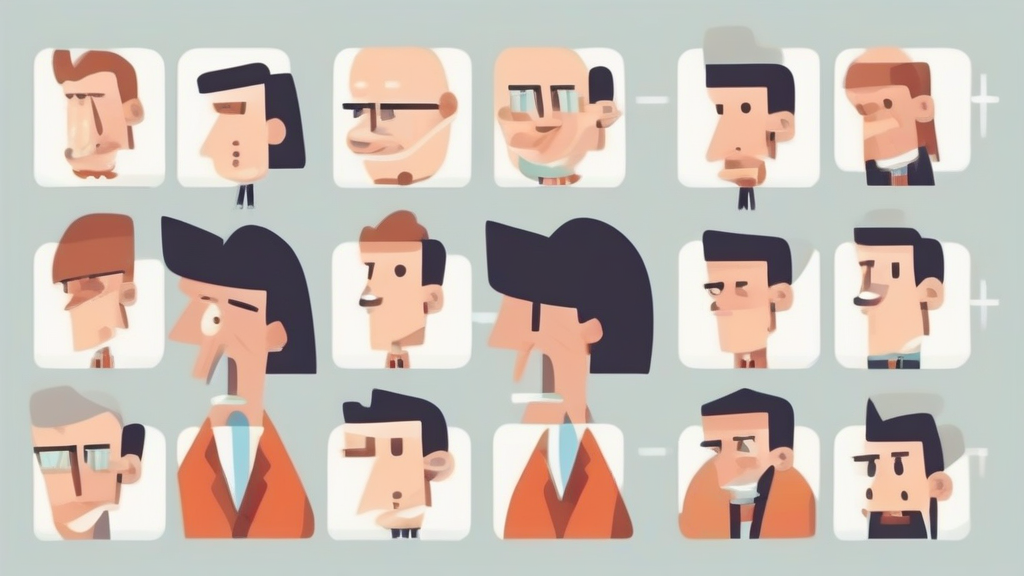
If you have ever wondered how to spot micro-expressions of deception when watching a televised debate, you are not alone. These rapid, involuntary facial movements often betray what a public figure is truly feeling, regardless of their polished rhetoric. As someone who has spent years analyzing human behavior, I can tell you that the truth is often written on the face, even when the mouth is busy spinning a narrative.
- Micro-expressions are involuntary, split-second facial movements that reveal hidden emotions.
- The key to spotting deception is identifying the "leakage" between a person's verbal message and their true internal state.
- Context is everything; a single micro-expression is not proof of a lie, but a cluster of them warrants skepticism.
Understanding the Science of Facial Leakage
Most of us assume we are good judges of character. We look at a politician's steady gaze or confident smile and assume they are being sincere. However, the human face is a complex machine capable of displaying facial expressions that are both social and biological. When someone attempts to suppress a genuine emotion, such as fear or contempt, that emotion often "leaks" out before the brain can override it.
These involuntary flashes typically last between 1/15th and 1/25th of a second. Because they happen so fast, your conscious mind might miss them entirely. Your subconscious, however, often picks up on the discrepancy. This is that "gut feeling" you get when a statement just doesn't feel right.
Why Politicians Are Harder to Read
Public figures are often trained in the art of public speaking and emotional regulation. They spend hours in media training to ensure their tone, posture, and facial expressions remain consistent with their talking points. This makes them significantly more difficult to read than the average person.
However, no one is perfect. High-stakes environments, like a live interview or a heated congressional hearing, create immense cognitive load. When a politician is forced to maintain a lie while simultaneously calculating their next move, their ability to filter their facial expressions diminishes. That is exactly when those fleeting signs of stress, anger, or disgust appear.
How to Spot Micro-Expressions of Deception in Real-Time
Learning to catch these movements takes practice. You cannot expect to become a human lie detector overnight. Instead, focus on establishing a baseline. Watch the politician when they are answering easy, non-controversial questions. How do they move their mouth? Do they blink rapidly? What is their default expression?
Once you have a baseline, look for deviations. If they suddenly tighten their lips or flare their nostrils during a specific question, you have found a potential point of interest. These are not necessarily proof of a lie, but they are indicators of high cognitive effort or emotional dissonance.
The "Cluster" Strategy
Never rely on a single expression. If a politician blinks once, it means nothing. If they blink rapidly, look away, tighten their jaw, and shift their weight while answering a question about policy, you are looking at a cluster of behaviors. This combination is a much stronger indicator of discomfort or deception.
Think of it like reading a book. You don't judge a story by a single letter. You look at the words, the sentences, and the overall paragraph. Similarly, look for a cluster of verbal and non-verbal cues that contradict the message being delivered.
Common Emotional Indicators to Watch For
When analyzing deception, pay close attention to specific universal facial expressions. These are hard-wired into our biology, making them difficult to fake perfectly.
- Contempt: Often shown by a unilateral tightening of the lip corner, pulling it slightly upward and back on one side. This is a classic sign that the person feels superior or dismissive of the questioner.
- Fear: Look for the raising of the upper eyelids and the stretching of the lips horizontally. This often occurs when a politician fears the consequences of the truth coming out.
- Disgust: A wrinkling of the nose and a raising of the upper lip. This is a powerful indicator that the speaker finds the topic—or perhaps their own lie—distasteful.
- Sadness: Drooping eyelids and a slight downturn of the mouth corners. This is much harder to fake than a smile.
Key Takeaway: The most reliable way to spot deception is to look for the mismatch between the words and the face. If a politician talks about empathy while showing a flash of contempt, trust the face, not the words.
Addressing the Skepticism
Some experts argue that micro-expressions are not a foolproof method for catching a liar. They are correct. There is no scientific "lie detector" that works with 100% accuracy. Stress, anxiety, and even physical discomfort can mimic the signs of deception.
If a politician is nervous because it is their first time on national television, their stress levels will be high. This can lead to rapid blinking or shifting eyes, which might be mistaken for deceit. Always consider the context before jumping to conclusions. Is the person naturally anxious, or are they reacting to a specific line of questioning?
Frequently Asked Questions
How to spot micro-expressions?
To spot them, you must train your brain to notice rapid facial changes that happen in a fraction of a second. Start by watching interviews in slow motion to identify the tell-tale signs of emotions like contempt or fear, then gradually work your way up to real-time observation.
How to spot a liar in 7 seconds or less?
You can't reliably catch a lie in seven seconds, but you can detect discomfort. Look for a sudden shift in their baseline behavior—such as a sudden pause, a change in pitch, or a micro-expression—immediately after you ask a direct, challenging question.
How to tell if someone is lying by their facial expressions?
Look for "leakage." This occurs when a person's facial muscles betray their true emotion despite what they are saying. For example, if someone is claiming to be angry but their eyes show fear, the discrepancy between their words and their face is a primary indicator of deceit.
Mastering the ability to read these signals is a powerful tool for navigating the modern political landscape. By paying attention to what is left unsaid and observing the subtle movements that escape conscious control, you can peel back the layers of performance and see the person behind the podium. Keep practicing, stay observant, and always look for the truth behind the mask.
If you like my website articles, please leave a comment below and don't forget to follow my website.
Post a Comment for "Micro-Expressions Decoded: Spotting Fleeting Signs of Dishonesty in Politicians"