Anatomy of a Lie: A Comprehensive Guide to Decoding Deceptive Body Language
Welcome to HotHootNews, where you can find the latest information, the fastest and hottest news source without delay and without censorship. Through https://hothootnews.blogspot.com/, we are here to uncover the dark history behind various scandals and thoroughly explore current controversial issues. We present raw facts and historical context directly, without further ado. If an event is going viral, breaking news, or about to make history, you'll read about it here, right now. Click, read, and prepare to be shocked by the unfiltered truth! Happy reading, you'll definitely enjoy it.
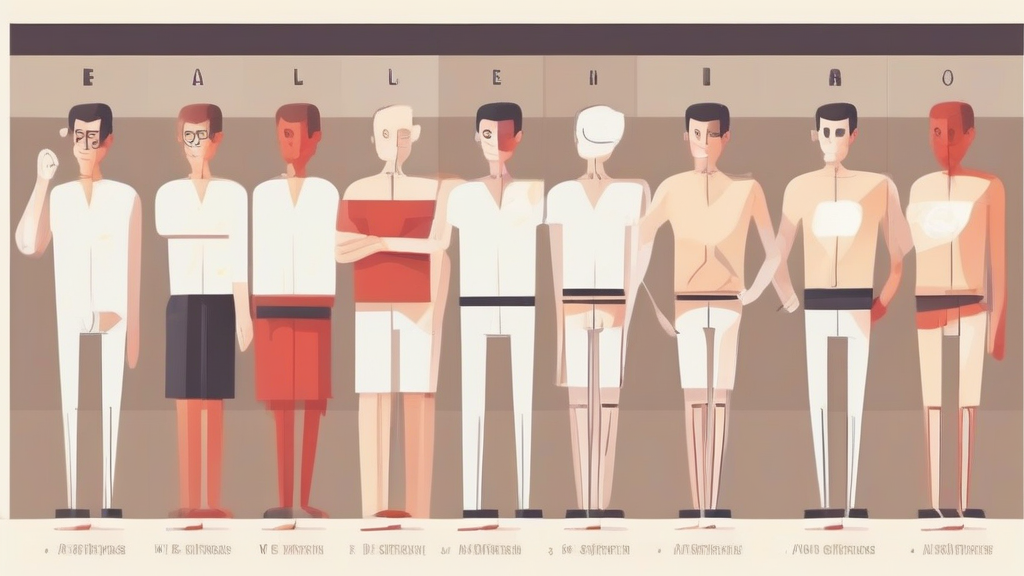
Understanding the Mechanics of Deception
If you have ever wondered how to read body language when someone is lying, you are not alone in your pursuit of the truth. Humans are wired to seek authenticity, yet we are constantly surrounded by half-truths, white lies, and calculated deceptions. Understanding the silent signals emitted by the human form is a skill that blends psychology with keen observation. When we talk about deception, we aren't just looking for a twitchy eye or a sweaty palm. We are looking for a departure from a person's "baseline"—their normal, everyday behavior. When someone deviates from that baseline, they aren't necessarily guilty; they are just experiencing a spike in cognitive load or emotional stress.
- Establish a Baseline: Before looking for lies, observe how the person acts when they are relaxed and telling the truth.
- Look for Clusters: Never rely on a single gesture; look for a combination of three or more signs that deviate from the norm.
- The Cognitive Load Factor: Lying is mentally exhausting; watch for pauses, stammers, or repetitive speech patterns that suggest the brain is working overtime.
The Science of Nonverbal Communication
To become proficient in spotting dishonesty, you must first understand the foundations of body language. Every movement, from the way we shift our weight to the dilation of our pupils, is a form of communication. When a person decides to deceive, their brain must work significantly harder to construct a false narrative while suppressing the truth. This intense mental effort often leads to "leakage." Leakage occurs when the subconscious mind reveals what the conscious mind is trying to hide. If you notice a person’s words saying one thing while their body signals another, you are witnessing a lack of congruence. This is the bedrock of spotting a lie.Micro-expressions and Facial Cues
The face is often the first place we look, yet it is also the easiest for a liar to control. However, fleeting expressions—known as micro-expressions—can betray true feelings for a fraction of a second. You might catch a flash of disgust or fear that disappears as quickly as it arrived. Watch the eyes. Contrary to popular belief, liars don’t always look away. Many seasoned deceivers will maintain uncomfortable levels of eye contact to prove their "sincerity." If someone stares at you unblinkingly while recounting a complex story, they might be overcompensating for the fear of being caught.How to Read Body Language When Someone Is Lying: Identifying the Clusters
Identifying a lie is rarely about finding a single "tell." It is about identifying a cluster of behaviors that don't match the context of the conversation. When you are trying to figure out how to read body language when someone is lying, keep an eye on these specific physical shifts.The Physical Barrier Technique
When people feel vulnerable or guilty, they instinctively try to protect their vital organs. You might see them cross their arms, lean back, or place an object—like a coffee mug or a laptop—between themselves and you. This is a subconscious attempt to create a psychological and physical shield against your scrutiny.Inconsistent Gestures and Timing
Have you ever noticed someone nodding "yes" while saying "no"? This is a classic example of non-congruence. The words and the body are fighting each other. Another red flag is the delay in gesture. If someone is telling a story, their natural gestures should accompany their words. If the gesture comes after the words, it is often a rehearsed, fake movement.The Fidgeting Fallacy
Many people assume that a liar will fidget uncontrollably. While this can happen, many liars actually become unnaturally still. Because they are so focused on not "leaking" information, they freeze up. If the person you are talking to suddenly goes from being animated and expressive to rigid and statue-like, pay close attention.Vocal Cues and Speech Patterns
The way a person speaks is just as telling as the way they stand. When someone is fabricating a story, their vocal tone often changes. You might notice a sudden rise in pitch, which is a common side effect of the "fight or flight" response triggered by the stress of lying.The "Too Much Information" Trap
Liars often feel the need to convince you of their story, so they provide excessive detail. They think that if they add enough filler, you will find them more credible. However, the truth is usually simple and straightforward. If the explanation feels like a script, it probably is.The "Not Saying Enough" Strategy
Conversely, some liars say as little as possible to avoid trapping themselves in a contradiction. They may repeat your question back to you, or they might answer with a question of their own. This gives them a few extra seconds to manufacture a response that fits their narrative.Decoding the Subtle Code of Liars
"What phrases do liars use?" This is a common question, and the answer lies in distancing language. Liars often avoid using personal pronouns like "I" or "me." Instead of saying "I didn't take the money," they might say "The money wasn't taken." They create distance between themselves and the act. "How to crack the subtle code of liars?" The secret is to change the topic suddenly. If you suspect someone is lying, switch to a neutral, pleasant topic. If they are being deceptive, you will see their entire body language relax instantly. A truth-teller, however, will remain confused and slightly annoyed by the topic shift.Putting It All Together
Mastering the art of reading people is a journey, not a destination. You will make mistakes, and you will occasionally misread someone who is simply nervous. That is part of the process. The goal is to develop a heightened awareness of the people around you and the hidden messages they transmit. Remember that context is king. If someone is lying, they are likely doing it because they fear the consequences of the truth. Approach these situations with empathy and curiosity rather than accusation. You will find that when you remain calm and observant, people are much more likely to drop their guard.Frequently Asked Questions (FAQ)
Is it possible to tell if someone is lying just by looking at their eyes?
No, relying solely on eye movement is a common myth. While some people look up and to the left or right, it is not a reliable indicator of deception. Focus on the entire body and the consistency of the story instead.Why do people touch their faces when they lie?
Touching the face, covering the mouth, or rubbing the nose is often a physiological response to stress. When we are anxious or lying, the delicate tissues in the nose and face can become itchy or sensitive due to increased blood flow, leading to involuntary touching.Can I be trained to spot a lie 100% of the time?
There is no such thing as a "lie detector" in the real world. Even expert polygraph examiners and FBI agents cannot achieve 100% accuracy. The goal is to improve your hit rate by observing behavioral clusters and deviations from a person's established baseline.If you like my website articles, please leave a comment below and don't forget to follow my website.
Post a Comment for "Anatomy of a Lie: A Comprehensive Guide to Decoding Deceptive Body Language"