The Hands Tell the Story: Interpreting Gestures During High-Stakes Interviews
Welcome to HotHootNews, where you can find the latest information, the fastest and hottest news source without delay and without censorship. Through https://hothootnews.blogspot.com/, we are here to uncover the dark history behind various scandals and thoroughly explore current controversial issues. We present raw facts and historical context directly, without further ado. If an event is going viral, breaking news, or about to make history, you'll read about it here, right now. Click, read, and prepare to be shocked by the unfiltered truth! Happy reading, you'll definitely enjoy it.
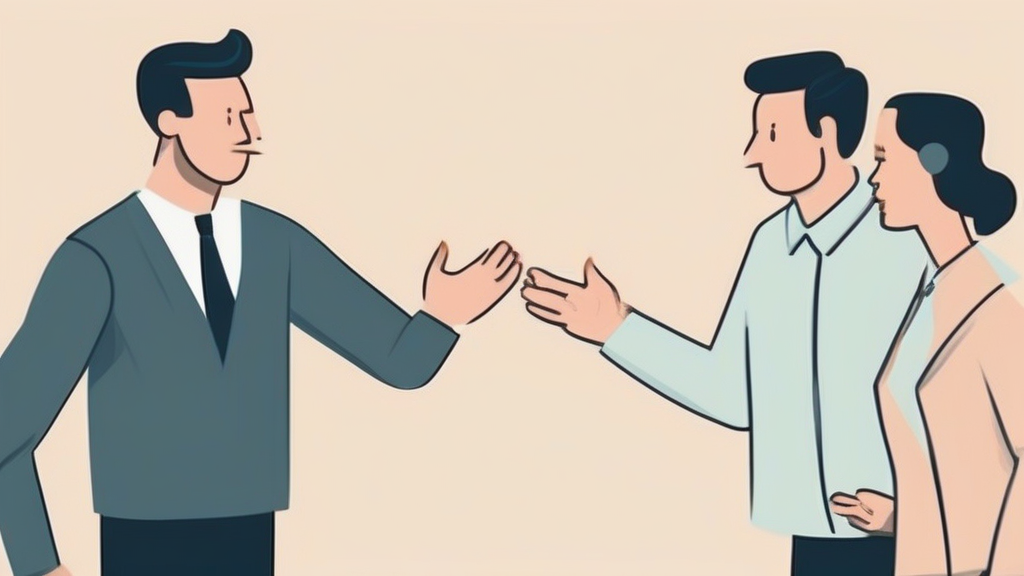
Understanding hand gestures and lying psychology is a skill that separates the amateur observer from the seasoned professional during high-stakes interviews. Have you ever walked out of a meeting feeling like something was "off," even though the words spoken were perfectly professional? You aren't imagining things. Our hands often betray the narratives our mouths try to construct.
I’ve spent years observing how candidates and colleagues behave when the pressure mounts. Whether it’s a job interview or a high-stakes negotiation, the subconscious mind struggles to keep the body perfectly still. When we speak, our hands act as a visual soundtrack to our thoughts. When we lie, that soundtrack often skips a beat.
Key Takeaways:
- Baseline behavior is your most important tool; you cannot spot a deviation if you don't know how someone acts when they are relaxed.
- Hand gestures associated with stress or deception are often "self-soothing" movements, such as touching the face or neck.
- Context matters more than any single gesture; a nervous hand movement might simply be a sign of a high-stress environment, not a lie.
The Science Behind Hand Gestures and Lying Psychology
Why do our hands move when we speak? It is a fundamental part of human nonverbal communication. These movements, known as illustrators, help us emphasize points and clarify complex ideas. When someone is being honest, their gestures are usually fluid and synchronized with their speech. They flow naturally, almost like a dance.
However, when a person enters a state of cognitive overload—which happens when they are fabricating a story—the brain has to work significantly harder. It must manage the lie, monitor the listener's reaction, and control the body simultaneously. This tax on the brain often leads to a decrease in natural, expressive gesturing.
You might notice the person suddenly keeps their hands in their pockets, hides them under the table, or keeps them perfectly rigid. This is a classic "freeze" response. By reducing their physical footprint, the liar is subconsciously trying to hide or minimize their presence. It is a protective mechanism, not necessarily a sign of guilt, but it is certainly a sign of discomfort.
The Role of Self-Soothing Gestures
When the pressure rises, the body looks for ways to calm itself. These are known as pacifiers or self-soothing behaviors. If you notice someone rubbing their neck, tugging at their collar, or scratching their nose, they are likely experiencing an uptick in anxiety. While this doesn't automatically mean they are lying, it does mean they are stressed.
Think of it as a physical manifestation of a "short circuit" in the brain. The person is trying to regulate their nervous system because the act of deceiving—or even just being under intense scrutiny—is physically taxing. Keep an eye out for these repetitive, subtle movements that seem to have no purpose related to the conversation.
Interpreting Nonverbal Cues in High-Stakes Interviews
In a high-stakes interview, you are looking for clusters of behavior. Never rely on a single movement to draw a conclusion. If someone touches their ear once, they might just have an itch. But if they touch their ear, look away, and then shift their weight while answering a difficult question, you have a cluster of signs that demand more attention.
One of the most revealing aspects of human interaction is how we use our hands to punctuate truth. When people feel confident, their palms are often exposed. This is an ancient evolutionary signal suggesting, "I have nothing to hide." Conversely, hiding palms or keeping hands tightly clenched can indicate a desire to withhold information.
The "Hand-Over-Heart" Phenomenon
Research into deception has highlighted interesting patterns regarding honesty. Studies have shown that when people are being truly sincere, they are more likely to use open-handed gestures, sometimes even placing a hand over their heart. This is a subconscious attempt to signal vulnerability and truthfulness.
Contrast this with the "stiff" communicator. When a person is carefully crafting a lie, they become hyper-aware of their body. They might try to over-compensate by using too many gestures, making their movements feel robotic or "rehearsed." If the gestures don't match the timing of the words, that is your primary red flag.
Common Myths About Lie Detection
There is a dangerous misconception that looking to the left or right automatically indicates a lie. This is largely a myth. People process information differently, and eye-gazing patterns are rarely a reliable indicator of veracity. Instead of focusing on the eyes, focus on the hands.
Another myth is that someone who avoids eye contact is lying. In many cultures, direct eye contact is seen as aggressive or disrespectful, not a hallmark of honesty. A better approach is to observe the consistency of the person’s baseline. If they usually make eye contact but suddenly look away specifically when discussing a certain topic, that is a data point worth noting.
How to Establish a Baseline
Before you start analyzing someone for potential deception, you must understand their "normal." Start the interview with light, low-pressure questions. Ask about their commute, the weather, or their general interest in the role. Watch how they move their hands during these easy, honest interactions.
This is your baseline. Once you have established how they behave when they have no reason to be anxious, you can better identify deviations. If their hand movements become significantly more restricted or more frantic when you ask a tough question about their resume gap, you have identified a stress point.
Strategies for Effective Observation
Observation is a skill that requires practice. You cannot be a good interviewer if you are constantly looking at your notes. You need to be present. Here are a few ways to sharpen your focus during an interview:
- Limit your own movement: By staying still, you encourage the other person to be more expressive and less defensive.
- Watch the hands, not the face: We are trained to look at faces, but the face is the easiest part of the body to control. The hands are far more honest.
- Look for synchronization: Gestures should occur slightly before or exactly when the words are spoken. If the gesture comes after the word, it may be a delayed reaction or a sign of artificiality.
The Golden Rule of Body Language: Always prioritize context over individual gestures. A person might be nervous because they are intimidated by the interview process, not because they are hiding a dark secret. Treat every observation as a hypothesis, not a verdict.
Frequently Asked Questions (FAQ)
Can hand gestures accurately prove that someone is lying?
No single gesture can prove a lie. Hand movements only indicate stress or cognitive load. They serve as "red flags" that suggest you should dig deeper into a candidate's claims, rather than definitive proof of dishonesty.
Why do people hide their hands during an interview?
Hiding hands under a table or in pockets is a natural defensive posture. It often signals that the person is feeling insecure, trying to hide their nervousness, or subconsciously withholding information to feel more protected.
How do I tell the difference between nervousness and deception?
Nervousness is usually consistent throughout the interview, especially at the start. Deception often manifests as a sudden change in behavior—a "spike" in stress—specifically when a sensitive or challenging question is asked. Look for the contrast between their baseline and their reaction to specific topics.
Mastering the ability to read body language takes time and patience. Start by paying closer attention to the hands of people you interact with daily. You will be surprised by how much information is being shared without a single word being spoken. Use these insights to foster more transparent conversations and build better professional relationships.
If you like my website articles, please leave a comment below and don't forget to follow my website.
Post a Comment for "The Hands Tell the Story: Interpreting Gestures During High-Stakes Interviews"