Non-Verbal Telltales: Why Constant Touching of the Face Indicates Stress
Welcome to HotHootNews, where you can find the latest information, the fastest and hottest news source without delay and without censorship. Through https://hothootnews.blogspot.com/, we are here to uncover the dark history behind various scandals and thoroughly explore current controversial issues. We present raw facts and historical context directly, without further ado. If an event is going viral, breaking news, or about to make history, you'll read about it here, right now. Click, read, and prepare to be shocked by the unfiltered truth! Happy reading, you'll definitely enjoy it.
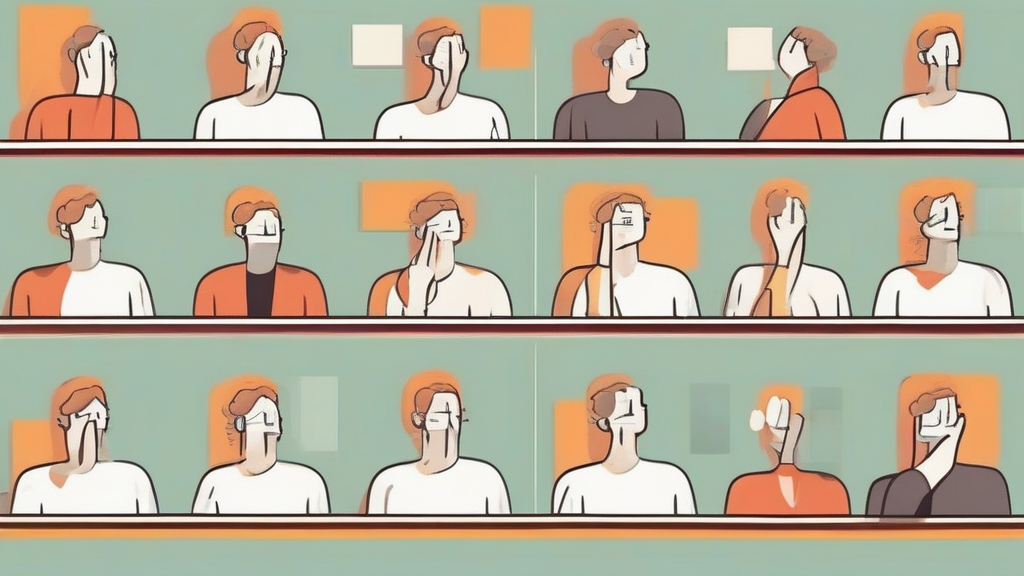
Have you ever wondered why do people touch their face when lying or feeling overwhelmed? It is a common observation that our hands seem to have a mind of their own whenever we hit a rough patch in a conversation.
As someone who has spent years observing human behavior in boardrooms and casual settings, I’ve noticed that these micro-gestures are rarely accidental. They are silent, involuntary signals that provide a direct window into our internal state.
- Face-touching is primarily a self-soothing mechanism triggered by the autonomic nervous system during moments of high cognitive load or anxiety.
- While pop culture links these gestures to deception, scientific consensus suggests they are more often indicators of stress rather than definitive proof of a lie.
- Understanding these non-verbal cues allows you to better navigate social interactions and recognize when someone—including yourself—needs a moment to recalibrate.
The Biological Roots of Self-Soothing
When we experience stress, our bodies enter a state of heightened arousal. This is a primitive fight-or-flight response that prepares us to handle perceived threats. In modern life, however, the "threat" is rarely a predator; it is usually a difficult question, a high-stakes negotiation, or a social faux pas.
Touching the face, neck, or hair serves as a grounding technique. By applying light pressure to the skin, we stimulate nerve endings that can trigger a calming response in the brain. It is essentially a way of giving ourselves a hug when we feel vulnerable.
Why Do People Touch Their Face When Lying?
The persistent myth that face-touching is a "Pinocchio" signal for dishonesty is pervasive. While it is true that people often touch their nose or cover their mouth when they are being deceitful, the act itself is not about the lie—it is about the internal conflict caused by lying.
Lying is cognitively demanding. You have to invent a narrative, monitor your facial expressions, and gauge the listener's reaction all at once. This mental strain leads to discomfort. Touching the face during this process is often an attempt to "hide" the mouth or manage the anxiety of being caught.
Decoding the "Deception" Myth
If you have ever asked yourself "why do people touch their face when lying," you might be looking for a universal "tell." The reality is far more nuanced. Many people touch their faces simply because they are itchy, tired, or thinking deeply.
Context is everything. If someone is touching their face while explaining a complex concept, they are likely just processing information. If they touch their face while answering a direct question about their whereabouts, they might be experiencing the stress of deception.
The Role of Cognitive Load
Think about the last time you were asked to solve a difficult math problem or recall a specific memory. You likely rested your chin in your hand or rubbed your forehead. This is cognitive load in action.
Our brains have limited processing power. When we are deep in thought, we tend to block out external stimuli to focus inward. Covering the eyes or mouth helps create a temporary "sensory shield," allowing us to concentrate on the task at hand without distraction.
Common Face-Touching Patterns and Their Meanings
Not all touches are created equal. Different parts of the face carry different psychological weight when we are under pressure.
- Rubbing the eyes: Often an attempt to block out a reality we don't want to see or a sign of extreme fatigue.
- Covering the mouth: A classic gesture that can signal an attempt to suppress a statement or hide a reaction.
- Touching the neck or throat: This is a high-anxiety signal. We have many nerve endings in the neck, and touching this area is a classic way to lower heart rate.
- Pulling at the earlobe: This often happens when someone is feeling indecisive or frustrated with the information they are receiving.
Pro Tip: When analyzing someone else's body language, look for the "baseline." If a person touches their face constantly during normal conversation, it doesn't mean anything. It only becomes significant when the behavior suddenly appears in response to a specific question or event.
Addressing the "People Also Ask" Queries
To truly understand this behavior, we need to address what most people are curious about regarding non-verbal communication. Let’s break down the common questions that often pop up in this discussion.
What is the biggest indicator someone is lying?
There is no single "smoking gun" indicator of a lie. Instead, look for clusters of behaviors. A liar might show signs of increased fidgeting, a change in speech patterns, and a mismatch between their words and their facial expressions. Relying on one gesture, like face-touching, is usually a recipe for misinterpretation.
What do liars fear the most?
Generally, liars fear being detected. This creates a feedback loop of anxiety. The more they worry about being caught, the more stressed they become, and the more likely they are to engage in self-soothing behaviors like touching their face or adjusting their clothing. Their primary fear is that their body will betray their words.
What does it mean psychologically when someone touches their face?
Psychologically, it is almost always a form of self-regulation. Whether it is boredom, deep thought, or stress, the act of touching the face is a way to manage the nervous system. It is a physical manifestation of an internal process, helping the individual maintain equilibrium.
Practical Applications for Business and Life
If you are an online business owner or a professional, understanding these cues can be a major asset. During negotiations, keep an eye on your counterpart's hands. If they suddenly start rubbing their neck or touching their face when you mention price, they might be experiencing stress or disagreement.
You don't need to call them out on it. Instead, try to ease the tension. Ask an open-ended question like, "How are you feeling about these terms?" This gives them a chance to address their concerns verbally, which often reduces the need for the non-verbal stress signal.
Key Takeaway: Body language is not a magic crystal ball. It is a tool for empathy. When you notice someone touching their face, view it as an invitation to create a safer, more comfortable environment rather than as an opportunity to play detective.
Final Thoughts on Non-Verbal Communication
We are all human, and we all have our quirks. We touch our hair, rub our chins, and cover our mouths when we are tired, bored, or stressed. While the question "why do people touch their face when lying" is a popular search for a reason, the truth is that we are complex beings whose bodies reflect our internal state in myriad ways.
Next time you find yourself absent-mindedly touching your face, take a second to pause. Ask yourself: "What am I feeling right now?" You might find that you are simply trying to comfort yourself during a moment of stress. Once you recognize that, you can address the root cause—and keep your hands away from your face in the process.
Frequently Asked Questions (FAQ)
Is touching your face a guaranteed sign of lying?
No. Touching the face is not a reliable indicator of lying. It is primarily a self-soothing behavior used to manage stress, discomfort, or cognitive load. Relying on this single cue to detect deception will often lead to incorrect conclusions.
Why do I touch my face when I am nervous?
You touch your face when nervous because it is a primitive self-soothing mechanism. Stimulating the nerve endings on your face helps trigger a calming response in your nervous system, effectively helping you regulate your emotions during high-pressure situations.
Can I stop myself from touching my face during interviews?
Yes, you can improve this with awareness. Practice keeping your hands on your lap or using them to make intentional gestures while you speak. Once you become aware of the habit, you can consciously replace the face-touching with more productive, open body language.
If you like my website articles, please leave a comment below and don't forget to follow my website.
Post a Comment for "Non-Verbal Telltales: Why Constant Touching of the Face Indicates Stress"