Body Language Analysis Tool Comparison: Which Software Suits Your Needs?
Welcome to HotHootNews, where you can find the latest information, the fastest and hottest news source without delay and without censorship. Through https://hothootnews.blogspot.com/, we are here to uncover the dark history behind various scandals and thoroughly explore current controversial issues. We present raw facts and historical context directly, without further ado. If an event is going viral, breaking news, or about to make history, you'll read about it here, right now. Click, read, and prepare to be shocked by the unfiltered truth! Happy reading, you'll definitely enjoy it.
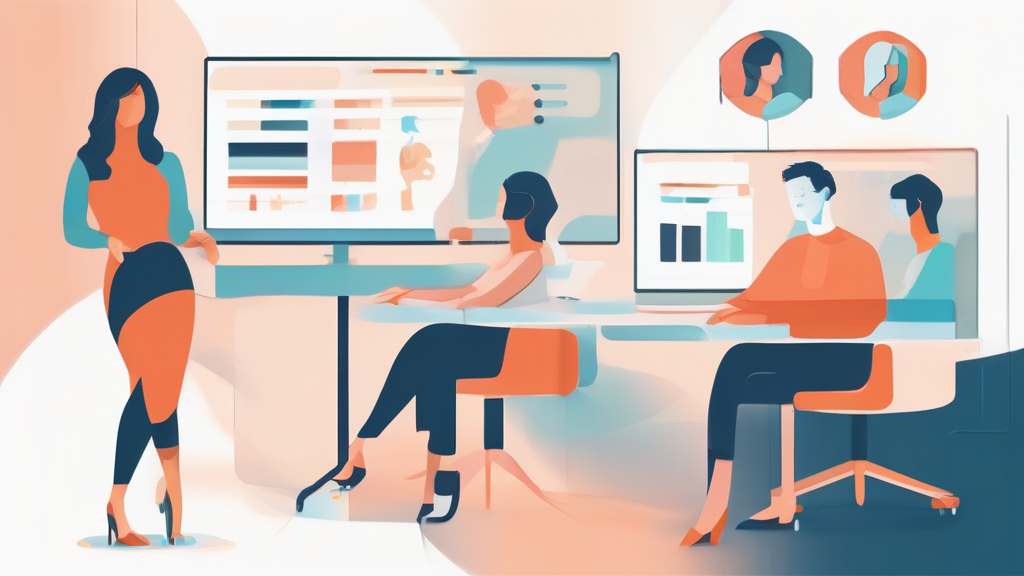
When you are looking for the right body language analysis software comparison, you quickly realize that the market is flooded with options promising to decode human behavior. As someone who has spent years studying the nuances of nonverbal communication, I know that choosing the right tool isn't just about picking the flashiest interface; it's about finding software that actually translates micro-expressions into actionable data.
- Choose software based on your specific goal: are you training for public speaking or analyzing customer sentiment?
- Prioritize tools with high-fidelity video processing to ensure accurate detection of facial expressions.
- Always test the integration capabilities with your existing CRM or project management platforms to avoid data silos.
Understanding the Mechanics of Body Language Analysis
At its core, this technology relies on computer vision and machine learning. These programs scan video feeds for subtle shifts in posture, gaze direction, and muscle movement. They then map these against a database of nonverbal communication patterns to infer emotional states or intent.
Most platforms break down their analysis into three distinct layers: detection, classification, and reporting. Detection is the raw capture of movement. Classification is where the AI decides if that furrowed brow indicates frustration or deep concentration. Reporting is the dashboard that tells you what to do with that information.
Why Businesses Need These Tools
Business owners are increasingly using these insights to sharpen sales pitches and improve client retention. If a client’s body language shifts during a specific part of a presentation, you get an immediate signal to pivot your strategy. It’s essentially a high-tech version of reading the room, but with the added precision of objective data points.
Top Contenders in the Current Market
When conducting a thorough body language analysis software comparison, you will notice three primary categories: coaching-focused apps, enterprise-grade emotion detectors, and research-based analytical suites. Each serves a different master.
Coaching and Training Platforms
If you are a public speaker or a manager wanting to improve your own presence, apps like Cues are the gold standard. They provide a "mirror" effect, using your webcam to record practice sessions and offering real-time feedback on your pacing, eye contact, and posture. These tools are fantastic for internalizing better habits through repetition.
Enterprise Emotion Detection
For those running customer experience teams, the requirements shift toward scale. You need software that can process hundreds of hours of Zoom calls or recorded meetings to flag trends. These tools don't just look at one person; they look at the dynamic between the speaker and the listener. The best ones offer sentiment scores that correlate with successful deal closures.
Key Features to Evaluate
Not every feature on the spec sheet matters for your bottom line. I always tell my clients to focus on the signal-to-noise ratio. A tool that provides too much data can actually paralyze your decision-making process.
- Latency: If you are using this for live interactions, the analysis must happen in near real-time.
- Privacy Compliance: Ensure the software adheres to GDPR and other regional data protection standards, especially when recording human subjects.
- Cross-Platform Compatibility: Does it plug directly into your current meeting software, or do you have to manually upload video files?
Pro Tip: Look for platforms that allow you to customize the sensitivity settings. Sometimes, a "smile" is just a polite reflex, not genuine joy. The ability to fine-tune what the software flags is what separates the toys from the professional tools.
The Human Element vs. Machine Precision
There is a lingering concern that software might replace human intuition. I argue that it actually complements it. We often miss things because we are busy thinking about what we want to say next. These programs act as a second pair of eyes, capturing the micro-gestures we are too distracted to notice.
However, you should never outsource your empathy to an algorithm. Use the data as a starting point for a conversation rather than a definitive diagnosis of someone’s character. Context is everything. A person might cross their arms because they are cold, not because they are defensive. The software will flag the movement, but you provide the context.
Pricing Models and Scalability
Pricing for these tools varies wildly. You might find entry-level apps for a flat monthly fee, while enterprise solutions often require a custom quote based on the number of users or minutes processed. Before signing a contract, ask for a pilot period.
Scalability is another factor that often gets overlooked. If your team grows from five to fifty, will the software still be affordable? Some providers charge per seat, which can become prohibitively expensive as you scale. Look for volume-based pricing or flat-rate enterprise tiers if you plan on widespread adoption.
Common Pitfalls to Avoid
Don't fall for the "magic bullet" trap. No software can accurately read a person's thoughts. If a vendor promises to tell you if someone is lying with 100% accuracy, run the other way. The most reliable tools provide probabilistic data, not absolute truths.
Another mistake is ignoring the setup requirements. Some tools require high-end cameras and perfect lighting to function correctly. If your remote team is working from home with grainy webcams, the software might struggle to capture the necessary data points, rendering your investment useless.
Frequently Asked Questions (FAQ)
Can body language software actually detect if someone is lying?
No, technology cannot definitively detect lies. It can only track clusters of nonverbal cues—like fidgeting or changes in eye contact—that may correlate with stress or discomfort, which are sometimes associated with deception.
Is it legal to use this software on employees or clients?
Laws regarding surveillance and data processing vary by location. You must inform participants that they are being recorded and ensure the software provider is compliant with local privacy regulations like GDPR or CCPA.
How does AI improve nonverbal communication skills?
AI provides objective, data-driven feedback on your habits. By highlighting patterns you aren't aware of, like nervous ticks or poor posture, it allows you to consciously correct those behaviors during practice sessions.
Choosing the right tool is a journey of matching your specific operational needs with the technical capabilities of the current market. Start by defining what you want to achieve, test a few options with a small pilot group, and keep the human element at the center of your strategy. Once you find the right fit, you will find yourself much more attuned to the subtle signals that drive human interaction.
If you like my website articles, please leave a comment below and don't forget to follow my website.
Post a Comment for "Body Language Analysis Tool Comparison: Which Software Suits Your Needs?"