Developing Intellectual Humility: How to Change Your Mind When You're Wrong
Welcome to HotHootNews, where you can find the latest information, the fastest and hottest news source without delay and without censorship. Through https://hothootnews.blogspot.com/, we are here to uncover the dark history behind various scandals and thoroughly explore current controversial issues. We present raw facts and historical context directly, without further ado. If an event is going viral, breaking news, or about to make history, you'll read about it here, right now. Click, read, and prepare to be shocked by the unfiltered truth! Happy reading, you'll definitely enjoy it.
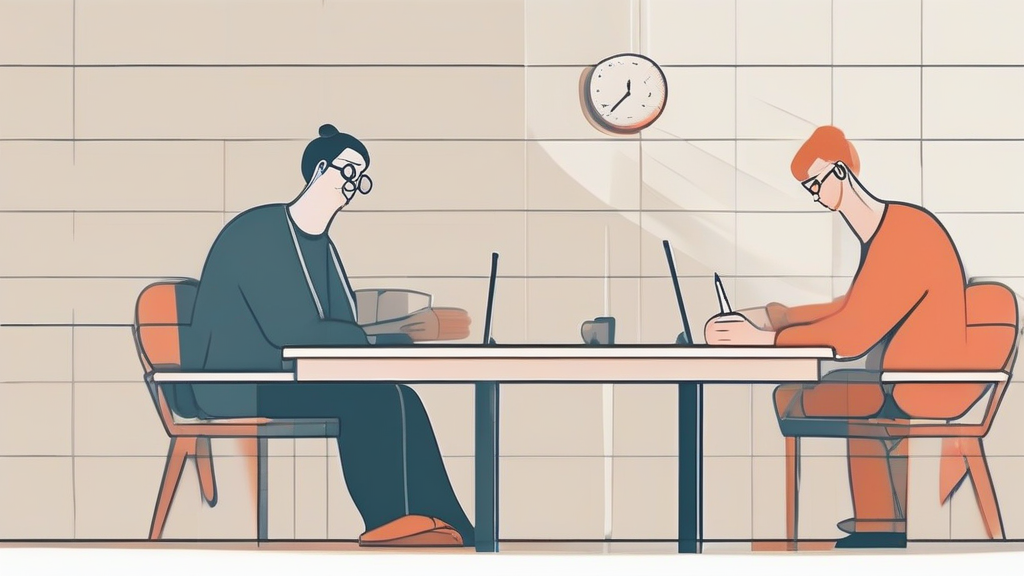
Learning how to develop intellectual humility is arguably one of the most transformative shifts you can make in your personal and professional life. We live in an era where being "right" is often treated as a social currency, yet the most successful people I know are those who are most comfortable admitting they don't have all the answers. It’s not about lacking confidence; it’s about possessing the quiet strength to prioritize truth over ego.
- Intellectual humility is the recognition that your beliefs may be incomplete or incorrect.
- You can cultivate this trait by actively seeking out perspectives that challenge your current worldview.
- Changing your mind is a sign of cognitive growth, not a personal failure or weakness.
Why We Struggle to Admit When We Are Wrong
Our brains are wired for efficiency, not necessarily for objective truth. We often rely on cognitive bias to make quick judgments, which helps us survive but hinders our ability to see reality clearly. When we form an opinion, we tend to treat it as part of our identity. If someone challenges that opinion, our brain reacts as if our physical safety is under threat.
This defensiveness is natural, but it keeps us stuck. If you want to grow, you have to decouple your self-worth from your current set of beliefs. When you stop viewing a change of opinion as a loss of status, you open the door to genuine learning.
The Role of Ego in Decision Making
Your ego is the silent architect of most of your arguments. It wants to protect the narrative that you are smart, informed, and capable. However, this creates a "blind spot" where you ignore contradictory evidence just to keep the story consistent. Recognizing this mechanism is the first step toward true growth.
Practical Steps: How to Develop Intellectual Humility
Developing this trait isn't a one-time event; it's a daily practice. It requires a conscious effort to pause before you react. Here are some actionable ways to shift your mindset starting today.
Practice Active Listening
Most of us listen with the intent to reply, not to understand. To build humility, try listening to understand the logic behind the other person's perspective. Ask yourself: "What do they see that I am missing?"
- Ask clarifying questions instead of making counter-arguments.
- Paraphrase what the other person said to ensure you understood them correctly.
- Notice the urge to interrupt and choose to stay silent for an extra five seconds.
Seek Out Disconfirming Evidence
We are all prone to confirmation bias, which is the tendency to search for information that confirms what we already believe. To combat this, intentionally look for sources that disagree with your stance. If you are passionate about a specific business strategy, read the best arguments against it.
Key Takeaway: Intellectual humility doesn't mean you have no convictions; it means your convictions are held loosely enough that they can be updated when new, better information arrives.
Embrace the "I Don't Know"
There is immense power in the phrase "I don't know." It signals to others that you are more interested in accuracy than in appearing omniscient. When you stop pretending to know things you don't, you create space for others to contribute their expertise, which inevitably makes you smarter in the long run.
Addressing Common Questions About Humility
Many people worry that being humble means being a doormat. It’s important to clarify that intellectual humility is not the same as having low self-esteem. It is about having a realistic assessment of your own knowledge and the limits of your perspective.
What causes intellectual humility?
It usually stems from a combination of life experience and intentional reflection. Often, people develop it after a significant failure or a situation where they were proven wrong in a way that had real-world consequences. It is a byproduct of valuing growth over the appearance of perfection.
How can you build it in a group setting?
If you are a business owner or team leader, you can foster this by modeling it. When you make a mistake, own it publicly and explain what you learned from the experience. This creates a culture where others feel safe to admit their own errors, which leads to faster problem-solving and better team dynamics.
Reframing Your Relationship with Being Wrong
Being wrong is simply the process of discarding a faulty map to find a better one. If you find out your map of reality is slightly off, you haven't failed—you've just updated your navigation system. This perspective shift is what separates those who stay stagnant from those who evolve.
Try to treat your opinions as "drafts" rather than final documents. A draft is meant to be edited. When you treat your thoughts as works in progress, you become much more receptive to feedback and much more resilient in the face of new information.
Conclusion
Choosing to embrace intellectual humility is a courageous act. It requires you to set aside the immediate gratification of being right in favor of the long-term benefit of being accurate. Start small. The next time you find yourself getting heated in a debate, take a breath, ask a question, and see what happens when you prioritize understanding over winning.
If you like my website articles, please leave a comment below and don't forget to follow my website.
Post a Comment for "Developing Intellectual Humility: How to Change Your Mind When You're Wrong"