The Neuromarketing Secret Behind Your Favorite Store Layout
Welcome to HotHootNews, where you can find the latest information, the fastest and hottest news source without delay and without censorship. Through https://hothootnews.blogspot.com/, we are here to uncover the dark history behind various scandals and thoroughly explore current controversial issues. We present raw facts and historical context directly, without further ado. If an event is going viral, breaking news, or about to make history, you'll read about it here, right now. Click, read, and prepare to be shocked by the unfiltered truth! Happy reading, you'll definitely enjoy it.
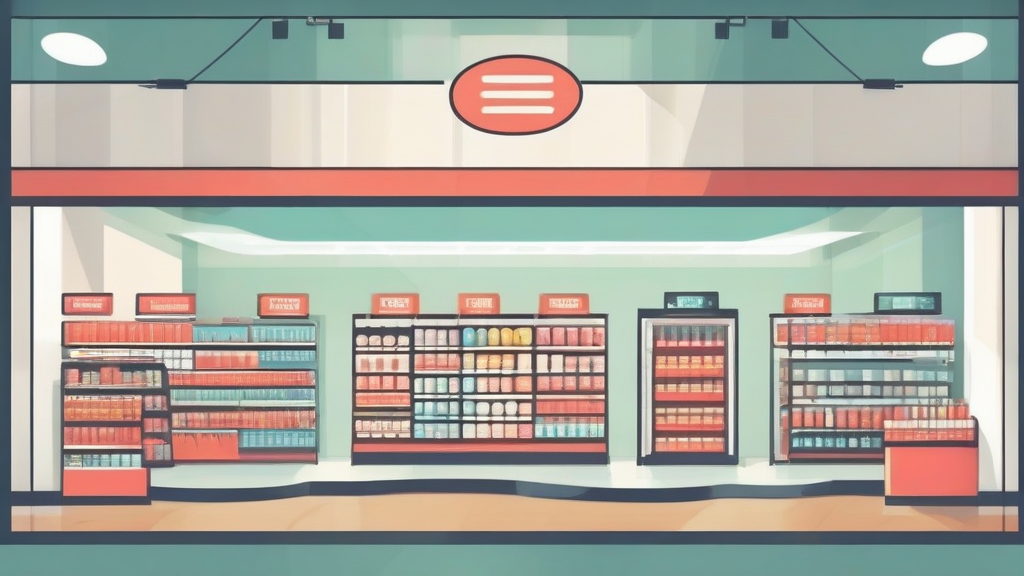
You have likely walked into a shop for a gallon of milk and left with a cart full of items you never intended to buy because neuromarketing retail store tricks were working on your subconscious long before you reached the dairy aisle. It is not an accident. It is a science.
Key Insights
- The "Decompression Zone" is the first 5 to 15 feet of a store where shoppers are most likely to ignore your merchandise while adjusting to the environment.
- Right-hand bias dictates that most customers instinctively turn right upon entry, making the right wall the most valuable real estate in your store.
- Sensory branding, including ambient scent and music psychology, can significantly extend dwell time.
- Cognitive load management is the silent engine behind successful shelf-space allocation and product grouping.
Retailers treat your brain like a pinball machine. They launch you into the store and use obstacles to bounce you toward high-margin impulse buys.
Think of your store as a physical website. If a user lands on a site and cannot find the checkout button, they leave. If a shopper walks into your store and finds a chaotic, unguided floor plan, they exit mentally before they even realize it.
The Science Behind Neuromarketing Retail Store Tricks
Brands use neuromarketing to measure how your brain responds to stimuli like lighting, aisle width, and shelf height. They aren't guessing. They are using eye-tracking and biometric data to map your path.
When you see a "buy one, get one" sign, your brain experiences a dopamine hit. It feels like a win. In reality, you are just spending money you didn't plan to spend.
| Strategy | Psychological Trigger | Business Outcome |
|---|---|---|
| The Right Turn | Right-hand bias | Increased exposure to premium inventory |
| Narrow Aisles | The "Butt-Brush" effect | Faster abandonment if space feels crowded |
| End-Cap Displays | Decision fatigue reduction | Higher conversion on featured items |
Designing for the Subconscious
Stop placing high-demand items like staples at the front. By forcing a customer to walk through the entire store to find the bread or milk, you expose them to 300% more products.
Lighting matters more than you think. Warm, soft lighting creates a sense of comfort that encourages shoppers to linger. Bright, clinical lighting is for fast-moving warehouse stores where you want the customer to grab, buy, and get out.
Keep your sightlines clear. If a customer can see the back of the store, they feel oriented. If they feel oriented, they stay longer. If they stay longer, they spend more.
How to Apply These Insights
Start small. Audit your own entrance. Is the first thing people see a wall of clutter or a curated display that tells a story? Move your high-margin items to the eye level of the average shopper. Use distinct floor textures to create "speed bumps" that slow down foot traffic in front of your most profitable displays.
Frequently Asked Questions
How does the "Butt-Brush" effect influence layout?
Coined by Paco Underhill, this effect suggests that if a shopper is bumped from behind while looking at a product, they will almost always abandon the item. Keep your aisles wide enough to prevent unwanted contact.
Why do stores play slow music?
Slow-tempo music induces a relaxed state. When shoppers feel relaxed, they move slower, browse more thoroughly, and spend significantly more money compared to shoppers exposed to fast-paced, high-energy tracks.
What is the role of the "Decompression Zone"?
This is the transition area at the entrance. Shoppers need a moment to adjust to the lighting and atmosphere. Keep this area open and avoid placing important marketing messages here, as they will be ignored.
The next time you find yourself wandering through a maze of consumer goods, pause. Look around. Notice the floor patterns, the music, and the placement of the staples. You are not just a customer; you are a participant in a carefully orchestrated experiment designed to delight your senses and empty your wallet.
If you like my website articles, please leave a comment below and don't forget to follow my website.
Post a Comment for "The Neuromarketing Secret Behind Your Favorite Store Layout"