5 Steps to Audit Your Spending Habits Against Marketing Nudges
Welcome to HotHootNews, where you can find the latest information, the fastest and hottest news source without delay and without censorship. Through https://hothootnews.blogspot.com/, we are here to uncover the dark history behind various scandals and thoroughly explore current controversial issues. We present raw facts and historical context directly, without further ado. If an event is going viral, breaking news, or about to make history, you'll read about it here, right now. Click, read, and prepare to be shocked by the unfiltered truth! Happy reading, you'll definitely enjoy it.
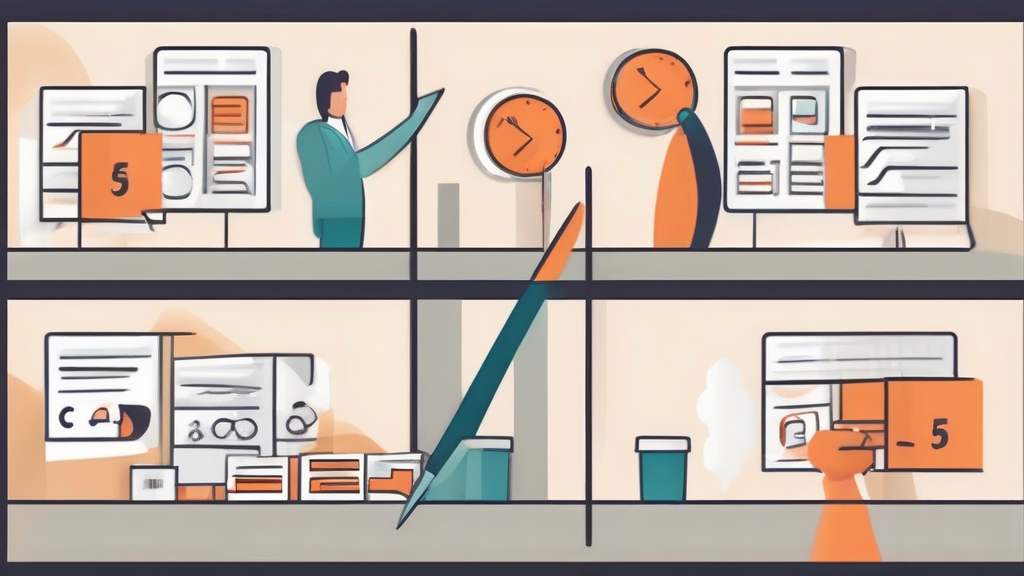
Learning how to stop impulse spending is the single most effective way to regain control over your financial health today. Marketing nudges are everywhere, from retargeting ads to "limited time" countdown clocks designed to trigger your fight-or-flight response.
Key Insights
- Impulse spending is often a reaction to emotional triggers rather than actual material needs.
- Algorithmic nudges leverage scarcity to force rapid decision-making.
- Tracking your spending habits reveals the gap between your planned budget and your reactive purchasing habits.
- Implementing friction into your checkout flow is a proven psychological barrier against consumption.
The Anatomy of a Marketing Nudge
Marketing teams aren't just selling products; they are engineering environments to bypass your logical brain. They use subtle cues like high-contrast "Buy Now" buttons or social proof banners claiming, "Only 3 left in stock." Think of these nudges like a casino floor. The lights and sounds are designed to keep you playing until you lose track of your stack. When you understand the architecture of these nudges, you stop blaming yourself for "weak willpower." You start seeing the game for what it is. It is not a failure of character; it is a battle against data-driven behavioral design.Step 1: Audit Your Digital Footprint
Audit your inbox and your social media feeds. Unsubscribe from every brand newsletter that hits your inbox today. If you have to see a brand's logo to remember they exist, they don't deserve your money.Step 2: Create Intentional Friction
Remove saved credit card information from your browser and smartphone. If you have to stand up, walk across the room, and find your physical wallet to complete a purchase, your brain has time to engage its prefrontal cortex. This simple physical act often kills the impulse entirely.| Strategy | Effort Required | Effectiveness |
|---|---|---|
| One-Click Ordering | Minimal | Low (High Risk) |
| Manual Card Entry | Moderate | High |
| The 7-Day Rule | High | Exceptional |
Step 3: Track the "Why" Behind the Buy
For two weeks, record every purchase in a notebook. Next to the price, write down how you felt in that moment. Bored? Anxious? Lonely? We often use shopping as a coping mechanism for hedonic adaptation. If you can identify the emotional void, you can fill it with a walk or a phone call instead of a transaction.Strategies to stop impulse spending using the 7-day rule
Implement the 7-day rule for any non-essential purchase exceeding $50. Put the item in your cart, walk away, and set a calendar alert for one week later. If you still want the item in seven days, buy it. Most of the time, the chemical dopamine hit will have faded by the time the alert goes off.Step 4: Audit Your "Fun Money" Budget
Allocate a specific portion of your income to guilt-free spending. When you have a dedicated budget for spontaneity, you aren't "impulse buying"—you are executing a plan. The stress vanishes because the money is already earmarked for that exact purpose.Step 5: Practice "De-Cluttering" Your Desires
Look at the last five things you bought on impulse. Are they still providing value, or are they collecting dust? Acknowledging the clutter is the best way to prevent the next purchase. Remind yourself that every item you bring into your home requires your time to clean, store, and eventually discard.How do I stop impulsively spending money?
The most effective way is to disconnect your payment methods from your accounts and wait 48 hours before any non-essential purchase. Force the decision to move from your emotional centers to your analytical centers.How do you cure impulse buying?
You don't cure it; you manage it. By removing the immediate gratification loops—like one-click checkout—you strip away the power of marketing nudges. Focus on identifying the emotional triggers that drive you to shop.What is the 7 day rule for shopping?
The 7-day rule requires you to wait one full week before completing a purchase for any non-essential item. This cooling-off period allows the emotional excitement of the "nudge" to dissipate, leaving you with a clearer perspective on whether you truly need the item. You have the tools now to take back your wallet. Start by unsubscribing from those newsletters tonight. One small step today prevents a thousand wasted dollars tomorrow.If you like my website articles, please leave a comment below and don't forget to follow my website.
Post a Comment for "5 Steps to Audit Your Spending Habits Against Marketing Nudges"