Step-by-Step: Conducting Your Own Body Language Analysis on Live Streams
Welcome to HotHootNews, where you can find the latest information, the fastest and hottest news source without delay and without censorship. Through https://hothootnews.blogspot.com/, we are here to uncover the dark history behind various scandals and thoroughly explore current controversial issues. We present raw facts and historical context directly, without further ado. If an event is going viral, breaking news, or about to make history, you'll read about it here, right now. Click, read, and prepare to be shocked by the unfiltered truth! Happy reading, you'll definitely enjoy it.
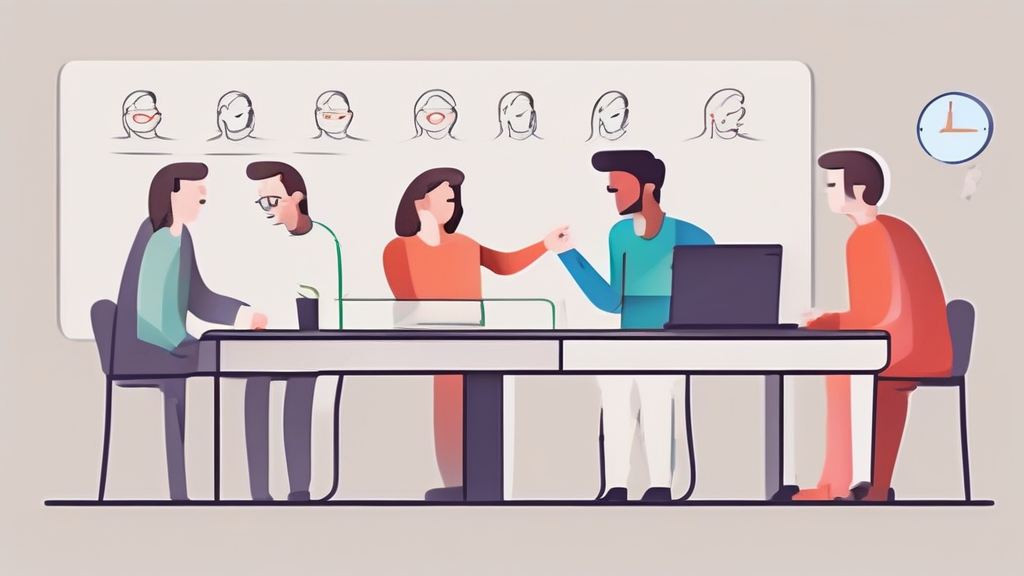
Learning how to analyze body language in real time
Ever watched a live stream and felt like the speaker was hiding something? You aren't imagining it. Learning how to analyze body language in real time is a superpower for anyone navigating digital meetings, webinars, or social media broadcasts. It’s not about reading minds; it’s about observing the silent signals that often contradict spoken words.
- Baseline your subject: You must understand how a person acts when they are comfortable before you can spot signs of stress or deception.
- The 3 C's of body language—Context, Clusters, and Consistency—are your primary tools for accurate observation.
- Never rely on a single gesture; look for groups of behaviors that align to tell a coherent story about the speaker's emotional state.
Understanding the Basics of Non-Verbal Communication
Non-verbal signals make up a significant portion of human interaction. While we focus on what people say, their body language provides the emotional subtext. On a live stream, the frame is limited, but the cues are just as potent.
You need to pay attention to micro-expressions, posture shifts, and hand gestures. These are involuntary responses controlled by the limbic system. Because they aren't always filtered by the conscious brain, they are often more honest than the words coming out of the person's mouth.
Establishing a Baseline
Before you jump to conclusions, you have to know what "normal" looks like for the person on screen. Are they naturally fidgety? Do they touch their face when they’re thinking? Spend the first five minutes of any stream just watching them talk about mundane, non-controversial topics.
When the conversation shifts to high-stakes topics, look for deviations from that baseline. If someone suddenly stops fidgeting or becomes rigid, that’s a red flag. The change is the signal, not the gesture itself.
Applying the 3 C's to Your Analysis
Experts often refer to the 3 C's of body language: Context, Clusters, and Consistency. Without these, you’re just guessing. Let’s break them down.
Context: The Setting Matters
A person might be sweating because they are nervous, or because the studio lights are hot. If you ignore the environment, you’ll misinterpret the signal. Always ask yourself: "What is happening in the room that could explain this behavior?"
Clusters: The Power of Groups
One crossed arm doesn't mean someone is defensive. They might just be cold. However, if they cross their arms, lean back, and avoid eye contact simultaneously, you have a cluster. Clusters are the gold standard for confirming an emotional state. Look for three or more cues that point in the same direction.
Consistency: The Truth Test
Does their body match their words? If someone says they are excited about a project but their voice is monotone and their feet are pointed toward the exit, they aren't excited. When the verbal and non-verbal don't align, believe the body.
Addressing Common Questions About Non-Verbal Cues
You might have heard of the famous 7-38-55 rule, often cited in communication studies. It suggests that 7% of meaning comes from words, 38% from tone of voice, and 55% from body language. While this isn't a universal law for every situation, it highlights just how much weight we should place on non-verbal cues.
What about the 7-38-55 rule?
This rule originated from research by Albert Mehrabian. It’s specifically relevant when people are talking about their feelings or attitudes. If someone is discussing a technical manual, the rule matters less. If they are talking about how they feel about a business partnership, the 55% body language component is vital.
Can you actually analyze body language accurately?
Yes, but with caveats. You aren't a human lie detector. You are an observer of emotional stress. When people lie, they experience cognitive load or anxiety, which leaks out through their body. You aren't detecting the lie; you are detecting the stress associated with the behavior.
Tools and Techniques for Real-Time Observation
Watching a live stream requires a different set of skills than in-person observation. You have to be selective about where you look. Focus on the torso and the hands first.
The Importance of Facial Expressions
The face is the most controlled part of the body, yet it is also the most expressive. Look for micro-expressions, which are fleeting flashes of emotion that last less than a second. These often reveal genuine feelings before the person masks them with a social smile.
Hand Movements and Pacifying Behaviors
When people get stressed, they often engage in pacifying behaviors to soothe themselves. This includes rubbing their neck, tugging at their collar, or playing with a ring. These are classic signs of discomfort. On a live stream, keep an eye on the desk area where hands might be hidden or partially visible.
Common Mistakes to Avoid
Don't fall into the trap of confirmation bias. If you already dislike the person on the stream, you will look for signals that confirm your bias. Stay objective. If you see a "deceptive" cue, try to find an alternative explanation before deciding they are lying.
Also, don't ignore the voice. Vocal cues are technically part of body language. A sudden pitch change or a stammer often accompanies a change in physical comfort levels. Treat the entire body as a single instrument.
Putting It All Together
The more you practice, the faster you’ll become. Start by watching interviews with the sound off. Can you tell when the guest is happy, angry, or bored just by looking at their movements? Once you master that, turn the sound back on and see how the audio confirms or contradicts your visual analysis.
You don't need a degree in psychology to get better at this. You just need to stop passively watching and start actively observing. The next time you log onto a live stream, look past the screen and into the person's non-verbal narrative.
Frequently Asked Questions (FAQ)
How can I tell if someone is lying on a live stream?
Look for clusters of stress indicators, such as increased touching of the face, sudden changes in posture, or a mismatch between their words and their facial expressions. Remember, these are signs of stress, not definitive proof of a lie.
Are there cultural differences in body language?
Absolutely. Some gestures that are neutral in one culture can be offensive or mean something entirely different in another. Always consider the cultural background of the speaker when conducting your analysis.
Does a lack of eye contact always mean someone is hiding something?
Not necessarily. Some people avoid eye contact because they are shy, neurodivergent, or simply processing information. Always establish a baseline first to see if this is their normal behavior during conversation.
If you like my website articles, please leave a comment below and don't forget to follow my website.
Post a Comment for "Step-by-Step: Conducting Your Own Body Language Analysis on Live Streams"