Cognitive Biases and Conspiracy Theories: A Psychological Deep Dive
Welcome to HotHootNews, where you can find the latest information, the fastest and hottest news source without delay and without censorship. Through https://hothootnews.blogspot.com/, we are here to uncover the dark history behind various scandals and thoroughly explore current controversial issues. We present raw facts and historical context directly, without further ado. If an event is going viral, breaking news, or about to make history, you'll read about it here, right now. Click, read, and prepare to be shocked by the unfiltered truth! Happy reading, you'll definitely enjoy it.
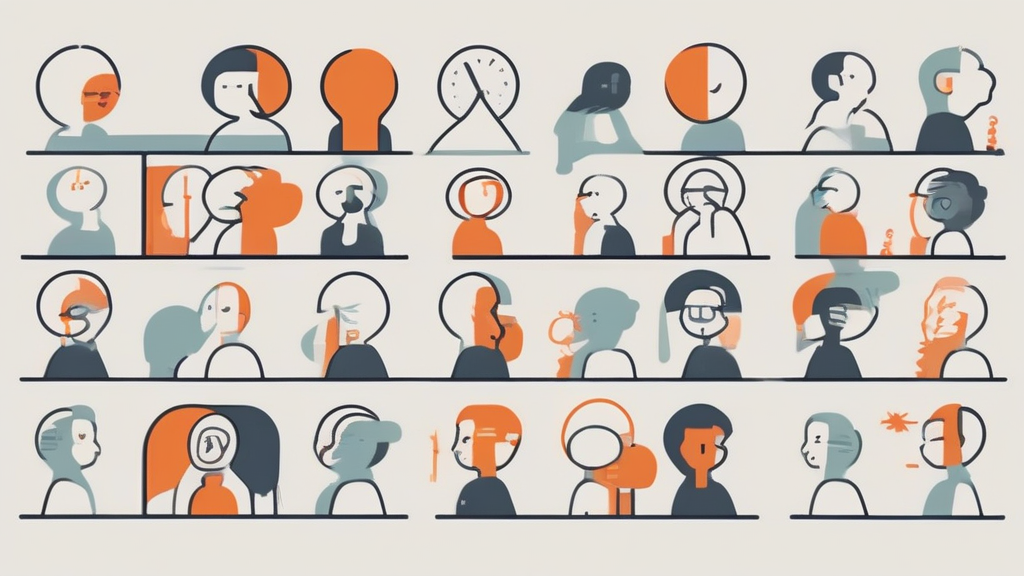
Understanding the psychological reasons for believing conspiracy theories requires looking past the surface of bizarre claims and examining the architecture of the human mind. We like to think we are rational actors, weighing evidence before reaching conclusions. In reality, our brains are wired for survival rather than perfect accuracy.
Key Takeaways:
- Conspiracy theories often serve as a psychological coping mechanism for managing feelings of powerlessness and existential anxiety.
- Pattern recognition, while evolutionary, can lead to the "illusory pattern perception" that fuels belief in secret plots.
- Cognitive biases like confirmation bias and the proportionality bias trick our brains into oversimplifying complex global events.
The Evolutionary Roots of Pattern Recognition
Our ancestors survived by spotting a predator in the tall grass. If they mistook a rustling bush for a tiger, they ran away—a false positive. If they mistook a tiger for a bush, they didn't live to pass on their genes. This biological imperative created a brain that is hyper-vigilant for patterns.
Today, we don't have many tigers in our offices. However, we have a deluge of information. When we see two unrelated events, our brains scream for a connection. This is the foundation of apophenia, the human tendency to perceive meaningful patterns within random data.
When a major world event occurs, it feels chaotic and terrifying. A chaotic world is unpredictable. A conspiracy, however, suggests a hidden order. It implies that someone—even a malevolent someone—is in control. This provides a strange sense of comfort to the human psyche.
Psychological Reasons for Believing Conspiracy Theories
Why do some people cling to these narratives even when faced with overwhelming evidence to the contrary? It isn't necessarily a lack of intelligence. Often, it is a matter of emotional needs not being met.
The Need for Certainty and Control
Life is inherently uncertain. We cannot predict the economy, global health, or political shifts. This lack of control triggers stress. When we feel powerless, our brains search for explanations that make the world seem manageable. If a secret group is responsible for a crisis, we can identify an "enemy." We can name them, blame them, and feel superior to those who don't "see the truth."
Proportionality Bias
We are hardwired to believe that big events must have big causes. If a world leader is assassinated, it feels wrong to attribute it to a lone, disgruntled individual. We expect a massive, complex, and orchestrated plot. This is known as proportionality bias. It makes the idea of random, chaotic, or singular causes feel insufficient.
Social Identity and Belonging
Believing in a conspiracy theory often grants entry into an exclusive community. You become part of the "awake" group, possessing secret knowledge that the "sheep" don't have. This social reinforcement is powerful. If your friends and online communities validate these beliefs, leaving them means losing your social support system. It’s a high price to pay for objectivity.
Cognitive Biases: The Filters of Reality
Our brains use mental shortcuts to process information quickly. While these shortcuts, or heuristics, help us navigate daily life, they often fail us when evaluating complex claims. They act as filters that distort what we see.
Confirmation Bias
Once we have a hunch, we hunt for information that supports it and ignore everything else. If you suspect a government cover-up, you will find every coincidence that supports your theory. You will quickly dismiss any debunking evidence as part of the cover-up itself. This is why facts rarely change the minds of true believers.
The Illusory Truth Effect
Have you ever heard a lie so many times that it started to sound true? This is the illusory truth effect. Repeated exposure to a claim increases its familiarity, and our brains often mistake familiarity for truth. In the age of social media algorithms, this effect is amplified, creating feedback loops that make conspiracy theories feel like established facts.
The Role of Anxiety and Existential Threat
Research suggests that people are more prone to conspiracy thinking during times of crisis. When we feel our safety or status is threatened, our desire for clarity spikes. If the official narrative is confusing or disturbing, an alternative theory—even a wild one—can feel like a lifeline. It provides a clean, clear, and actionable explanation for our suffering.
It is worth noting that believing in conspiracies doesn't always reduce anxiety. For many, it replaces one type of anxiety with another. Instead of fearing a random event, they live in constant fear of a hidden, all-powerful enemy. This can lead to a cycle of hyper-vigilance and paranoia that is difficult to break.
Navigating the Information Age
How do we protect ourselves from falling into these traps? The first step is acknowledging that our brains are fallible. We are all susceptible to cognitive biases. None of us are immune to the lure of a simple explanation for a complex world.
Critical thinking is not about being cynical; it is about being disciplined. Before you share a provocative post, ask yourself: Why does this feel true? Am I looking for evidence, or am I looking for confirmation? Taking a breath before reacting can make all the difference.
Supporting high-quality journalism and diversifying your information diet is also essential. If you only consume media that aligns with your worldview, you are essentially living in a custom-built echo chamber. Step outside of it. Engage with ideas that challenge you, not just those that comfort you.
Frequently Asked Questions
Why do intelligent people believe in conspiracy theories?
Intelligence does not shield anyone from cognitive biases. In fact, highly intelligent individuals may be better at constructing sophisticated arguments to justify their pre-existing beliefs, a phenomenon sometimes called "motivated reasoning."
Can conspiracy beliefs be dangerous?
Yes. When these beliefs influence health decisions, political stability, or lead to the harassment of individuals, they have tangible, real-world consequences that can undermine public trust and safety.
How can I talk to someone who believes in conspiracy theories?
Avoid direct confrontation or mocking their intelligence. Instead, ask open-ended questions that encourage them to explain the mechanics of their theory. Often, the act of articulating the details helps them recognize the logical gaps on their own.
At the end of the day, our desire to understand the world is a virtue. The goal isn't to stop asking questions or to stop being curious. It is to ensure that our search for truth is guided by evidence and reason, rather than the shortcuts our brains try to force upon us. Stay curious, stay skeptical, and keep questioning your own assumptions.
If you like my website articles, please leave a comment below and don't forget to follow my website.
Post a Comment for "Cognitive Biases and Conspiracy Theories: A Psychological Deep Dive"