What Do Insurance Companies Know About Your Health? The Data Privacy Gap
Welcome to HotHootNews, where you can find the latest information, the fastest and hottest news source without delay and without censorship. Through https://hothootnews.blogspot.com/, we are here to uncover the dark history behind various scandals and thoroughly explore current controversial issues. We present raw facts and historical context directly, without further ado. If an event is going viral, breaking news, or about to make history, you'll read about it here, right now. Click, read, and prepare to be shocked by the unfiltered truth! Happy reading, you'll definitely enjoy it.
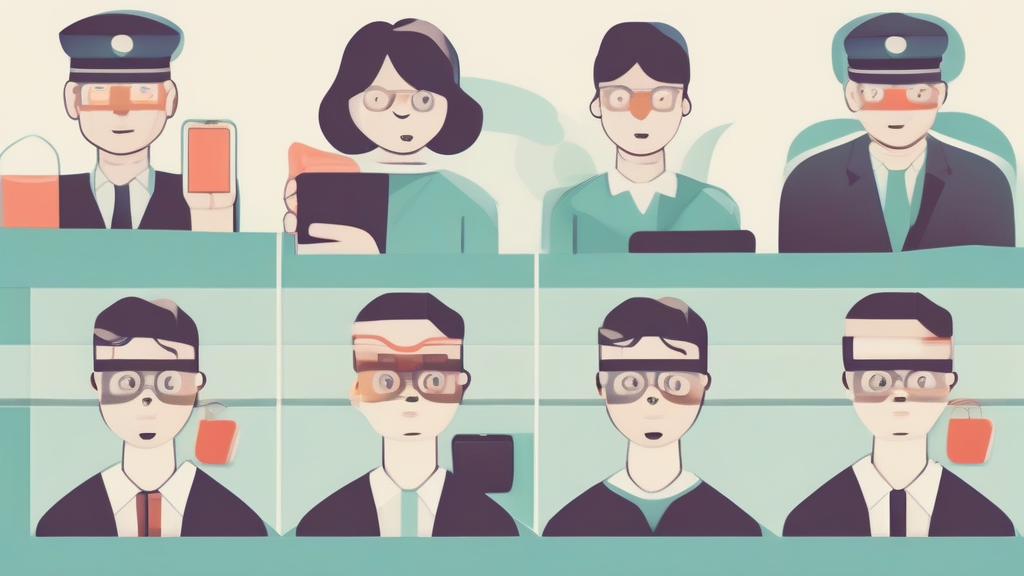
The Hidden Files: What Your Insurer Actually Sees
I recently signed up for a new life insurance policy, and the process felt less like a medical evaluation and more like a digital interrogation. Gone are the days of simple blood tests and basic family history questionnaires. Today, the intake forms feel like they are tapping into a subterranean network of information I didn't even know existed.
It makes you wonder: is it a conspiracy or fact? How big companies control your personal data has become the defining anxiety of our generation. We carry smartphones that track our heart rates, location, and even our sleep cycles. But where does that data go once it leaves the device?
The gap between what we assume is private and what insurance companies can legally access is widening. It’s not just about your cholesterol levels anymore. It is about your shopping habits, your social media presence, and the predictive algorithms that know you are sick before you even feel the first symptom.
The Anatomy of the Data Privacy Gap
We often talk about information privacy as if it were a fortress we can lock from the inside. But the reality is much more porous. Insurance companies don't necessarily need to hack your phone to know your secrets; they just buy the data from third-party aggregators.
These aggregators compile "digital exhaust"—the bits of data you leave behind every time you swipe a credit card or search for a symptom on Google. When you apply for coverage, that data is often fed into underwriting models that assess your risk profile with frightening precision.
Is it a Conspiracy or Fact? How Big Companies Control Your Personal Data
People love to call this a conspiracy, but it’s actually just good business for them. When companies use big data to predict mortality or morbidity, they are simply optimizing their profit margins. It isn't a shadowy cabal; it is a cold, calculated application of statistics.
Think about the last time you used a health app to track your steps. Did you read the fine print? Many of those apps have clauses that allow them to sell anonymized data to third parties. Once that data is sold, it can be re-identified using sophisticated software. Suddenly, your "anonymous" step count is linked to your identity.
This creates a massive power imbalance. You are trying to get insurance to protect your family, while the insurer is using your own digital footprint to find reasons to deny you or charge you more. It feels like a rigged game because, in many ways, it is.
How Your Lifestyle Becomes Your Premium
The industry has moved toward "behavioral underwriting." This means they aren't just looking at your medical records; they are looking at how you live. If your grocery store loyalty card shows you buy alcohol every Tuesday and red meat every day, that data can be factored into a profile that suggests a higher risk of heart disease.
It sounds like science fiction, but the technology is already here. Insurers are partnering with wearable tech companies to offer discounts if you share your activity data. While that sounds like a great deal for the healthy, it creates a dangerous precedent for everyone else.
The Slippery Slope of Voluntary Disclosure
When you "voluntarily" share your health data for a discount, you are essentially normalizing the practice of surveillance. If you opt out, are you seen as high-risk by default? This is where the conspiracy or fact debate hits home. Companies don't have to force you to give up your data if they can make the alternative so expensive that you have no choice.
I have spoken to people who refuse to use smartwatches for this exact reason. They are worried that their future premiums will be pegged to their daily movement. They might be right. The data privacy gap is not just about what they know now; it is about what they will be able to infer about you in five years.
Protecting Yourself in an Era of Over-Sharing
So, how do we push back against this tide of data harvesting? You cannot live completely off the grid, but you can certainly make yourself a less attractive target. It starts with being intentional about what you install on your devices.
First, audit your health apps. Do they really need access to your location or your contact list? If an app asks for permissions that don't make sense, delete it. Your data is the currency they are trading, and you have every right to stop paying.
Second, be wary of loyalty programs. We all love a discount, but is that 5% off at the grocery store worth the granular tracking of your dietary habits? Sometimes, paying full price is a small premium to pay for your long-term privacy.
The Legal Landscape and Future Risks
Legislators are finally starting to catch up, but they are playing a game of catch-up against multi-billion dollar industries. Regulations are often riddled with loopholes that allow for "de-identified" data to be traded freely. As long as the law distinguishes between private health information and public consumer data, insurers will find ways to exploit the middle ground.
Can We Bridge the Data Privacy Gap?
Bridging this gap requires a fundamental shift in how we view data ownership. We should own our health data, not just as a concept, but as a legal asset. If an insurance company wants to use my data to adjust my rates, they should have to pay me for it, or at least be completely transparent about the algorithms they are using.
Right now, the algorithms are "black boxes." You cannot challenge a decision if you don't know what data points led to it. This lack of transparency is the real problem. It isn't just that they know things about us; it is that they use that knowledge in ways we can't see, challenge, or control.
Final Thoughts: Take Control of Your Digital Footprint
The reality is that we are living in a time where your personal health information is a commodity. Whether you call it a conspiracy or fact, how big companies control your personal data is a reality that affects your wallet and your future security.
Don't just accept the terms and conditions. Read them. Question why an insurance company needs to know where you were last Saturday night or what you bought at the pharmacy. We might not be able to stop the march of technology, but we can certainly choose how much of our lives we hand over for the privilege of being insured.
Start small today. Review your app permissions, limit the data you share with third-party trackers, and demand more transparency from the companies you do business with. Your privacy is a finite resource—don't give it away for free.
If you like my website articles, please leave a comment below and don't forget to follow my website.
Post a Comment for "What Do Insurance Companies Know About Your Health? The Data Privacy Gap"