The Decoy Effect: Are You Buying The Mid-Range Product Trap?
Welcome to HotHootNews, where you can find the latest information, the fastest and hottest news source without delay and without censorship. Through https://hothootnews.blogspot.com/, we are here to uncover the dark history behind various scandals and thoroughly explore current controversial issues. We present raw facts and historical context directly, without further ado. If an event is going viral, breaking news, or about to make history, you'll read about it here, right now. Click, read, and prepare to be shocked by the unfiltered truth! Happy reading, you'll definitely enjoy it.
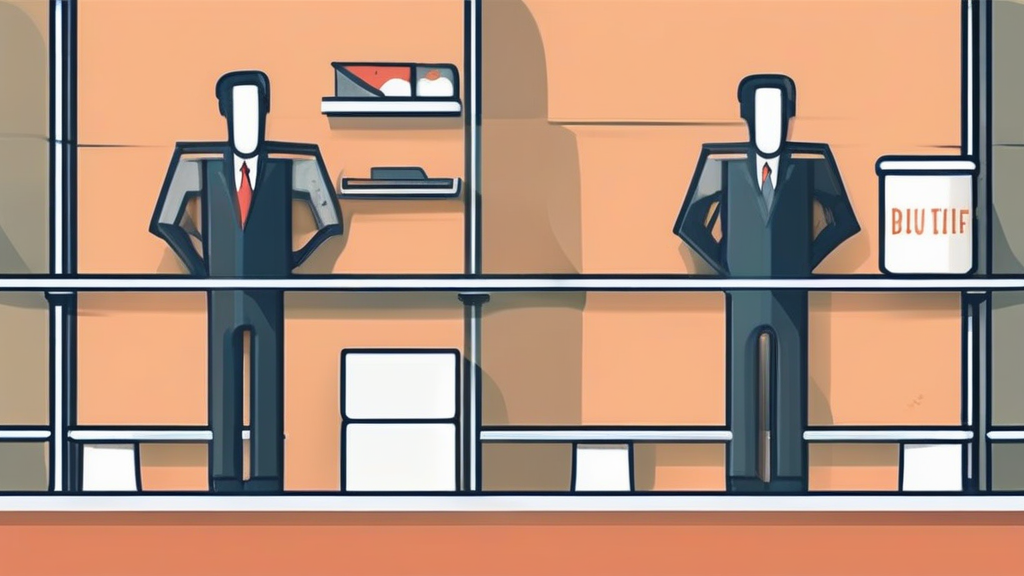
You have likely fallen for the decoy effect pricing examples without even realizing it while grabbing a coffee or scrolling through a subscription page. It is a subtle, invisible hand guiding your wallet toward a more expensive choice.
Most consumers think they are rational actors making calculated decisions. You aren't. Your brain relies on mental shortcuts, known as heuristics, to simplify complex choices. Marketing experts know this, and they exploit it to manipulate your perceived value.
Key Insights
- The decoy effect creates an asymmetric dominance, where a third, unattractive option shifts your preference toward the target product.
- It forces you to compare the "target" (the item the business wants to sell) against the "decoy" (a useless item) rather than the "competitor" (the cheaper option).
- This pricing strategy is rampant in SaaS pricing, cinema concession stands, and high-end electronics retail.
Understanding The Mechanism Behind Decoy Effect Pricing Examples
Imagine you are at a movie theater. Small popcorn is $4. Large is $8. You are torn. Then, the cashier points to a medium popcorn for $7.50. Suddenly, the large looks like a bargain. You only pay 50 cents more for a significantly larger bucket.
That medium popcorn is the decoy. It exists solely to make the large option look like a winner. It provides no real value; it just acts as a reference point for your brain to justify the upsell.
| Option | Price | Purpose |
|---|---|---|
| Small | $4.00 | The Anchor |
| Medium | $7.50 | The Decoy |
| Large | $8.00 | The Target |
How Retailers Construct The Mid-Range Trap
Businesses use price discrimination to squeeze more revenue from different segments of the market. They don't want you to buy the cheapest item. They want you to move up the ladder. By introducing an option that is clearly inferior but priced close to the top tier, they neutralize the budget-conscious choice.
The medium-range product is rarely the best deal in terms of cost-per-unit. It is the bait. Once your brain recognizes the "deal" between the decoy and the target, the critical thinking process shuts down. You walk away feeling like a smart shopper while the business achieves its target average order value.
Avoiding The Psychological Influence
To fight back, strip away the context. Ignore the decoy entirely. Ask yourself: "Would I still buy this product if the medium option didn't exist?" If the answer is no, you are being manipulated.
Look at the unit price rather than the total price. Check the cost per ounce, per user, or per feature. Data rarely lies, even when marketing copy does. Calculating the real value helps you detach from the emotional nudge the decoy provides.
What is a common real-world example of this strategy?
The classic example is the print and digital subscription model. A digital-only subscription costs $50, a print-only subscription costs $125, and a print-plus-digital bundle costs $125. The print-only option is the decoy, making the bundle appear to be a free upgrade.
Does the decoy effect work on every consumer?
It works best on consumers who are undecided or lack strong brand loyalty. If you are a price-sensitive shopper or an expert in the product category, you are less likely to be swayed by the artificial framing of the options.
Why do companies risk using this strategy?
Because it works. The cost of adding a third option is often negligible, but the increase in profit margin from shifting customers to a higher price point is substantial. It is a low-risk, high-reward tactic that effectively boosts revenue without needing to change the core product.
Next time you find yourself clicking on the "recommended" mid-tier plan, pause. The price difference between the plans is rarely a reflection of actual value. It is a map drawn by a strategist to lead you to their preferred destination. Stay objective, run the numbers, and don't let the decoy dictate your budget.
If you like my website articles, please leave a comment below and don't forget to follow my website.
Post a Comment for "The Decoy Effect: Are You Buying The Mid-Range Product Trap?"