Dark Triad Traits and Misinformation: Are Manipulators Spreading Lies?
Welcome to HotHootNews, where you can find the latest information, the fastest and hottest news source without delay and without censorship. Through https://hothootnews.blogspot.com/, we are here to uncover the dark history behind various scandals and thoroughly explore current controversial issues. We present raw facts and historical context directly, without further ado. If an event is going viral, breaking news, or about to make history, you'll read about it here, right now. Click, read, and prepare to be shocked by the unfiltered truth! Happy reading, you'll definitely enjoy it.
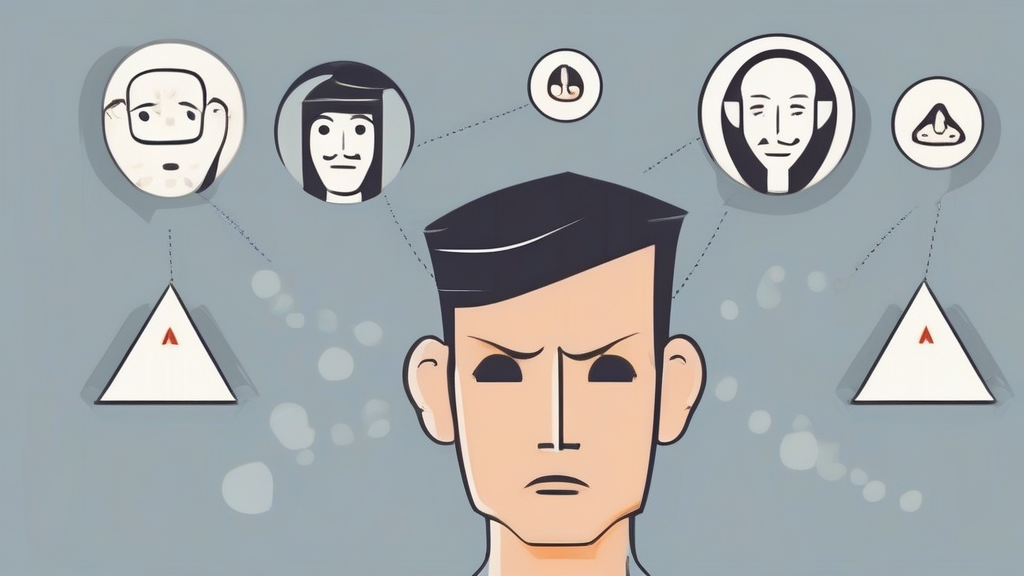
Understanding the link between dark triad personality and conspiracy theories is essential for anyone trying to make sense of the chaos currently unfolding online. When we look at the spread of misinformation, we often focus on the platforms or the algorithms, but we rarely talk about the specific human tendencies that drive the engine of deception.
- Individuals scoring high in dark triad traits often use conspiracy theories as tools for social dominance and manipulation.
- The psychological need for uniqueness and a sense of superiority makes these personality types susceptible to—and creators of—fringe narratives.
- Identifying the behavior patterns of manipulators is your best defense against falling for coordinated misinformation campaigns.
Defining the Dark Triad
To really grasp why some people are so prone to spreading lies, we have to look at the "Dark Triad" itself. This cluster of personality traits—narcissism, Machiavellianism, and psychopathy—represents a specific, non-clinical set of characteristics that prioritize self-interest over the truth. While these aren't necessarily full-blown mental health disorders, they represent a darker side of human behavior.
Narcissism is the ego-driven need for admiration and the belief that one is special. Machiavellianism is all about the strategic, cold-blooded manipulation of others to achieve personal gain. Finally, psychopathy involves a lack of empathy and a penchant for impulsive, antisocial behavior. When you mix these traits, you get someone who isn't just misinformed; they are actively looking for ways to influence the world to suit their needs.
The Role of Narcissism in Information Warfare
Narcissists love feeling like they hold a "secret" that the rest of the world is too blind to see. This feeling of being "in the know" provides a massive ego boost. If you can convince others that you possess hidden knowledge, you become a leader, a guru, or a beacon of truth in their eyes. It’s a perfect setup for someone with a high need for attention.
By promoting conspiracy theories, the narcissist creates an "us versus them" dynamic. They position themselves as the enlightened ones fighting against a corrupt establishment. It’s not about whether the theory is factually accurate; it’s about the status it provides.
Why Manipulators Spread Lies
If you have ever wondered why someone would spend hours crafting elaborate, false narratives, the answer often lies in the mechanics of power. For someone with high Machiavellian traits, truth is merely a resource to be managed. If a lie gets them closer to their goal, the lie is considered a success.
This behavior is often tied to the "Dark Tetrad," which adds "everyday sadism" to the original three traits. People who enjoy inflicting pain or distress on others find social media to be a playground. Spreading misinformation isn't just about the message; it's about the reaction they get from the victims of that misinformation.
Connecting Personality to Conspiracy Beliefs
Psychological research suggests that people with these dark traits are not just accidental victims of misinformation. They are often the architects. They utilize misinformation as a way to disrupt social cohesion, create confusion, and gain leverage over others. It’s a calculated effort to maintain control in an environment where they otherwise might feel insignificant.
You might be asking, "What are the big 5 of psychopaths?" While the "Big Five" personality model (Openness, Conscientiousness, Extraversion, Agreeableness, Neuroticism) is a standard psychological framework, psychopaths generally score extremely low on Agreeableness and Conscientiousness. They lack the social glue that keeps communities together, making them prone to exploiting those very communities through deception.
Defending Yourself Against Manipulation
Recognizing the signs of a manipulator is the first step toward digital self-defense. If you notice someone consistently pushing narratives that are designed to provoke fear, anger, or a sense of "secret knowledge," step back. These are hallmark tactics used by people who thrive on chaos.
Fact-checking is your strongest weapon. Manipulators rely on the emotional response to shut down your critical thinking. When you feel a surge of anger or moral outrage after reading a post, that is exactly the moment you should stop and verify the source. Do not share it, even if it feels right.
The most dangerous lies are the ones that make you feel like a hero for believing them. Always question why a piece of information is being presented to you and what the source stands to gain from your belief.
Addressing Common Questions
What are the top 3 worst personality disorders?
While "worst" is subjective, in clinical settings, Narcissistic Personality Disorder, Antisocial Personality Disorder, and Borderline Personality Disorder are often cited as the most difficult to manage due to their impact on interpersonal relationships and social functioning. These conditions, however, are distinct from the "Dark Triad" personality traits, which exist on a spectrum within the general population.
What are the big 5 of psychopaths?
Psychopaths are typically characterized by extreme scores on the Big Five personality traits: very low Agreeableness (lack of empathy/cooperation), very low Conscientiousness (impulsivity/lack of planning), and often low Neuroticism (lack of fear or anxiety). They do not have a specific "Big 5" of their own; rather, their lack of traditional prosocial traits is what defines their behavioral patterns.
Are dark triad traits treatable?
Unlike clinical disorders that have established therapeutic protocols, dark triad traits are often considered stable personality characteristics. While individuals can learn to manage their behavior through cognitive-behavioral therapy if they are motivated to change, many people with these traits do not view their behavior as problematic, making treatment a significant challenge.
Final Thoughts
The intersection of dark triad personality and conspiracy theories is a reminder that the digital world is a reflection of human nature, warts and all. We aren't just fighting bad data; we are dealing with individuals who use deception as a primary strategy for social navigation. By staying aware of these patterns and prioritizing critical thinking over emotional reaction, we can stop being pawns in someone else's game. Stay skeptical, keep your boundaries firm, and always verify before you share.
If you like my website articles, please leave a comment below and don't forget to follow my website.
Post a Comment for "Dark Triad Traits and Misinformation: Are Manipulators Spreading Lies?"