The Environmental Impact of Fast Food: Why Convenience Costs the Planet
Welcome to HotHootNews, where you can find the latest information, the fastest and hottest news source without delay and without censorship. Through https://hothootnews.blogspot.com/, we are here to uncover the dark history behind various scandals and thoroughly explore current controversial issues. We present raw facts and historical context directly, without further ado. If an event is going viral, breaking news, or about to make history, you'll read about it here, right now. Click, read, and prepare to be shocked by the unfiltered truth! Happy reading, you'll definitely enjoy it.
The Hidden Price of Your Quick Lunch
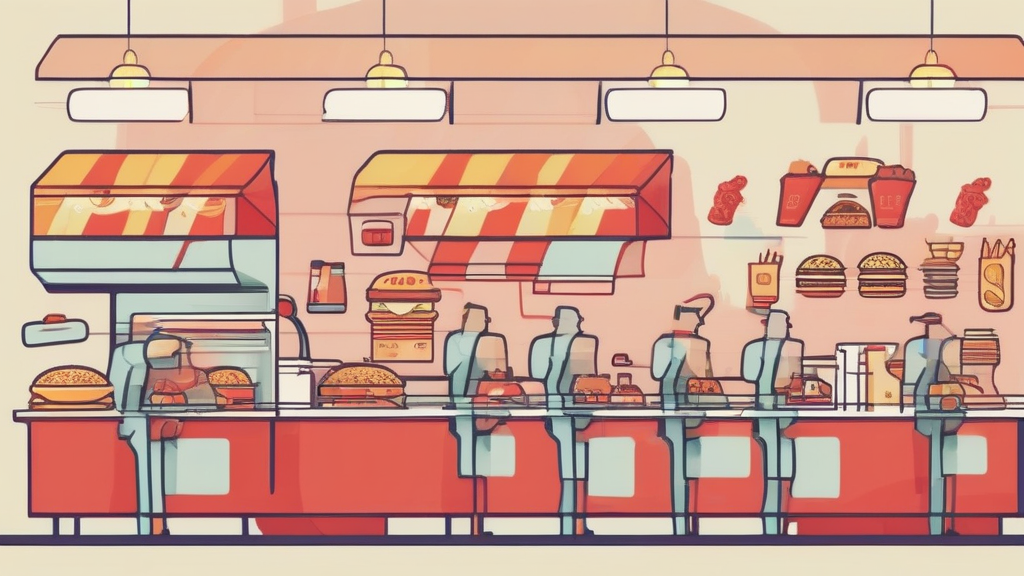
I still remember my first job, standing behind a glowing, grease-stained counter, handing out paper bags filled with burgers. At the time, I didn't think twice about the mountain of trash we produced or where that beef actually came from. It was just a job. However, looking back, I realize I was part of a machine that keeps the true costs of our meals invisible. There is a dark secret of the fast food industry that has been hidden for years, and it is time we pull back the curtain on how convenience is actively eroding our natural world.
Most of us treat fast food as a simple transaction: a few dollars for a hot, tasty meal. We rarely stop to consider the massive supply chain required to make that possible. From the vast swathes of land cleared for cattle to the endless piles of single-use plastic, the environmental footprint is staggering. It is not just about the calories; it is about the carbon, the water, and the waste left behind long after we have finished our fries.
The Dark Secret of the Fast Food Industry That Has Been Hidden for Years
The core of the problem lies in the sheer scale of global industrial production. To keep prices low and speed high, fast food giants have optimized their processes for efficiency at any cost. This optimization often means prioritizing short-term yields over long-term ecological stability. We are essentially trading the health of our soil and the stability of our climate for the convenience of a drive-thru window.
Consider the production of beef, which remains the backbone of the industry. The intensive methods used to raise livestock contribute significantly to greenhouse gas emissions. When you multiply this by the billions of burgers sold annually, the numbers become impossible to ignore. It is not just the animals; it is the massive amount of land needed to grow the grain to feed those animals, which often leads to deforestation in sensitive areas.
Uncovering the Environmental Cost of Supply Chains
The dark secret of the fast food industry that has been hidden for years involves more than just meat. It is about the entire logistical web that connects a remote farm to your local outlet. These supply chains are designed to be fast, which means they rely heavily on fossil fuels for transport. Every time a delivery truck idles in traffic or a container ship crosses the ocean, the carbon footprint of your meal grows.
Furthermore, the packaging issue is a silent disaster. We have become addicted to the "toss it out" culture. Even with increased efforts toward recycling, the vast majority of fast food packaging is designed for single-use functionality. It is cheap to produce, but it is incredibly expensive for the planet to process. We are filling our landfills with materials that will persist for centuries, all for the sake of a twenty-minute lunch.
The Resource Intensity of Convenience
Have you ever wondered how much water it takes to make a single fast food meal? It is not just the water you drink with your soda. It is the water required to grow the lettuce, the potatoes, and the feed for the livestock. This is known as the virtual water footprint, and it is a massive strain on our global water supplies.
In many regions where these resources are extracted, the local communities suffer the most. When a massive corporation moves in to set up industrial-scale farming, they often demand priority access to water rights. This leaves local farmers and residents struggling to find enough water for their own needs. It is a classic case of profit margins taking precedence over the survival of local ecosystems.
The Problem with Monoculture and Soil Health
To keep the supply consistent, the industry relies heavily on monoculture farming. This practice involves growing the same crop year after year on the same land. While it is efficient for harvesting, it is devastating for the soil. Monoculture depletes the land of nutrients, forcing farmers to rely on synthetic fertilizers and pesticides to keep yields high.
These chemicals do not just stay on the crops. They wash into our waterways, leading to nutrient pollution and the creation of dead zones in our oceans. This is a direct consequence of the demand for standardized, cheap ingredients. We are essentially mining the soil until it can no longer support life, all to ensure that every fry looks and tastes exactly the same.
The Plastic Pandemic
Walk past any fast food restaurant, and you will likely see a overflowing trash can. Inside, it is a chaotic mix of plastic straws, soda cups, burger wrappers, and condiment packets. This plastic pollution is one of the most visible indicators of our modern consumption habits. While many companies are promising to switch to paper or compostable materials, the volume of waste remains unsustainable.
The issue is that we have equated "fast" with "disposable." We assume that because we don't wash our own plates, the responsibility for the waste disappears. But the planet doesn't have a trash bin where things just vanish. Every piece of plastic ever created still exists in some form, and a significant portion of it finds its way into our oceans, harming marine life and entering the food chain.
Can We Change the Status Quo?
It is easy to feel powerless when facing such a massive, entrenched industry. After all, what can one person do against a global conglomerate? But the truth is that consumer demand is the only thing that drives these companies. If we stop asking for cheap, disposable, and unsustainable options, they will eventually be forced to pivot. It is a slow process, but it is the only one that works.
As business owners and informed consumers, we have a responsibility to vote with our wallets. This means supporting local, sustainable food sources whenever possible. It means choosing businesses that prioritize transparent supply chains and minimal waste. It means asking tough questions about where our food comes from and what it costs the environment.
Practical Steps for a Greener Future
Changing your habits doesn't have to happen overnight. Here are a few ways to start making a difference:
- Reduce Frequency: Try cutting back on fast food visits by just one or two times a month.
- Choose Local: Seek out farm-to-table restaurants that source ingredients from nearby growers.
- Minimize Waste: If you do get takeout, skip the extra napkins, straws, and packets you don't actually need.
- Demand Transparency: Send emails or social media messages to your favorite brands asking about their sustainability reports.
- Cook More: The most effective way to fight the system is to take back control of your kitchen.
Transitioning away from the convenience of the drive-thru is a challenge. We are busy, tired, and sometimes we just need something quick. However, the environmental cost of our current path is simply too high to ignore. By shifting our mindset, we can stop being passive participants in a system that hurts the planet and start supporting a more sustainable way to eat.
Looking Toward a Sustainable Horizon
The dark secret of the fast food industry that has been hidden for years is slowly coming to light, thanks to increased transparency and consumer pressure. We are learning that convenience is not free; it is paid for by the environment, by local communities, and by future generations. The shift toward sustainability is not just a trend; it is a necessity for our survival.
Will it be difficult to change? Absolutely. The system is built to keep us coming back for more. But every time you choose to prepare a meal at home or support a local business that values the earth, you are sending a clear message. You are telling the industry that you care more about the planet than you do about a cheap, mass-produced burger.
Take the leap and start making conscious changes today. Your health, your community, and the planet will thank you. The future of our food system depends on the choices we make right now, so let’s make them count.
If you like my website articles, please leave a comment below and don't forget to follow my website.
Post a Comment for "The Environmental Impact of Fast Food: Why Convenience Costs the Planet"